Nicolae Rotaru 6 hrs · Mesaj foto: Actriţa Doina Ghiţescu cerând autograf de la mine, în prezenţa consoartei şi a vestitului general Iulian Vlad, care a reuşit să dejoace planningul etranjer al celor 65.000 de morţi ai decembriadei de acum 30 de ani, drept care a înfundat puşcăria a posteriori.
MEMENTO: Apropo de Decembriadă: ce-a fost, cum a fost posibil şi ce trebuie? Cele şapte imperative.
1. Întâi a fost o deversiune sovieto-israeliano-sârbo-austro-ungaro-franco-germano-italo-iberico-bulgaro-pontico-americană cu participare autohtonă (Brucan, Brateş, Roman, Stănculescu, Măgureanu, Mazilu, Lupoi, Bârlădeanu, Voican, Cico, Militaru, Iliescu et c-nie) …
2. …Care a facilitat declanşarea revoltei populare spontane anticeauşiste, populaţia fiind pregătită de „Trif” – foame, frică, frig – pentru asta, şi aţâţată anterior de posturile de radio străine şi de zvonistica etranjeră anti-romanească, exacerbată la finele lui decembrie, inclusiv la Bucureşti de „fratele” Gorbaciov perstroikistul…
3. … Transformată în revoluţie prin înalta trădare a comandantului lor suprem, în ordinea asta, de către comanda Armatei (Milea, apoi Guşă şi mai ales Stănculescu şi Militaru), conducerea Securităţii (cu Vlad în frunte), structurile Internelor (mai ales ale Miliţiei, Grănicerilor, Pompierilor şi trupelor de securitate cu afarnicul general Ghiţă la comandă) ca şi a secretarului general (acelaşi Ceauşescu) de către unii lideri din fruntea PCR (gen Iliescu, Verdeţ, Bârlădeanu, Mizil, Fazecaş, Dăscălescu, Postelnicu).
4. Retragere din dispozitive a forţelor MAI şi interzicerea la ordinul lui Vlad a folosirii armamentului (inclusiv de către forţele USLA decimate la sediul MApN unde fusese chemate şi de către militarii câmpineni din trupele de securitate chemate la Otopeni şi măcelărite de eşaloane ale Armatei, toşi, la ordinul lui Militaru) a făcut posibilă deturnarea revoluţiei spre război civil şi lovitură militară de stat prin implicarea forţelor MApN („Armata e cu noi”) şi, foarte grav, prin facilitarea ajungerii armamentului soldaţilor pe mâna unor „civili” binevoitori din „găruile patriotice” sau detaşamentele peteape.
5. Alimentarea diversiunii cu teroriştii şi securiştii (nici până azi n-a fost arestat un terorist arab sau rus cum s-a tot spus atunci, la fel cum nu s-a dovedit că vreun securist a tras vreun cartuş, deşi au fost arestaţi cu ghiotura şi umiliţi de ofiţerii Armatei de tipul vestitului Dragomir de la Sibiu) a generat vărsarea de sânge, victimele (militare şi civile) fiind în totalitate produse prin împuşcare cu armamentul şi muniţia de calibru 7,62 de provenienţă eminamente de la MApN, din pricina folosirii aiurea de către soldaţii imaturi, neinstruiţi, speriaţi, manipulaţi (vezi chemările disperate ale unor Brateş, Cico, Diaconu, Dinescu, Brucan, Caramitru lansate prin tv) sau comandaţi de şefi trădători, precum şi de „revoluţionari” pe mâna cărora au ajuns sculele morţii din neglijenţa militarilor. Acţiune care a continuat şi după ce, printr-o sentinţă pripită a unui complet (tot militar) în ziua de Crăciun, cu acelaşi tip de muniţie de aceeaşi provenienţă, au fort executaţi milităreşte langă un closet de cazarmă, membrii cuplului Ceauşescu.
6. Toată lumea s-a dumirit cam cine sunt vinovaţii, cum s-au desfăşurat „ostilităţile”, ce s-a dorit şi unde s-a ajuns, dar se caută alţi acari Păun, ţapi ispăşitori, hoţii strigând hoţul, pentru că au trecut 30 de ani şi adevărul deşi vizibil este încă indicibil, singurele certitudini ale Revoluţiei fiind morţii, majoritatea tineri (cu sau fără uniformă) care atunci n-au realizat amploarea riscului şi n-au putut distinge între zvon, diversiune, realitate şi teribilism, unii văzând evoluţii ale actorilor (gen soţii Diacon, Radoff, sau Caramitru) au crezut că e vorba de un film regizat de Sergiu Nicolaescu (prezent activ în teatrul de operaţii decembriste). La fel ca-n cazul asasinatului din Dallas căruia i-a căzut victimă preşedintele american Kennedy, despre care s-au scris metri cubi de cărţi, dar adevărul a rămas neaflat, şi despre momentul decembrie 1989 din România s-au scris zeci de tomuri şi se vor mai scrie, dar marele adevăr continuă să nu se lase aflat, deşi câteva pinioane ale angrenajului (Iliescu, Roman, Voican, Măgureanu, Caramitru, Sârbu, Dinescu, Kemenici, Voinea) mai trăiesc.
7. În numele credinţei creştine a iertării (inclusiv a crimei din ziua Naşterii Mântuitorului), al speranţei care i-a dus la moarte pe eroii revoluţiei şi al dragostei pentru neam şi ţară, pentru a nu mai altera bruma de democraţie şi fărâma de libertate dobândite post-factum, pentru crearea mult clamatei Românii educate şi normale, cred că trebuie lăsat trecutul să devină istorie şi încheiat bâlciul deşertăciunilor şi al diversiunilor care nu face decât să alimenteze efortul neprietenilor din ţară şi de aiurea pentru macularea şi falsificarea realităţilor din ţara noastră, pentru „valorificarea” peste graniţă a resurselor (gaze, păduri, aur etc.) şi a patrimoniului naţional, pentru pângărirea renumelui şi imaginii României situată, şi aşa, la coada tuturor topurilor binelui euro-atlantic. Aşa să m-ajute Dumnezeu!
Nicolae Rotaru December 23, 2018 · s. Rememorând zilele decembriadei (lovitura de stat militară declanşată de diversiunea etranjeră şi finalizată, cu ajutorul agenturilor de spionaj străine, printr-o sângeroasă mişcare populară, în decembrie 1989) îmi dau seama de acoperirea în fapte a expresiilor „aşa se scrie istoria” şi „învaţă istoria să nu fii nevoit s-o repeţi”. Nu eu sunt (nici n-am fost) chemat să redactez acea carte, chit că aş putea să fi socotit, dacă nu erou (că, de obicei, eroii sunt sacrificaţii ajunşi nume pe pietre tombale gen soldaţii unităţii trupelor de securitate de la Câmpina ciuruiţi de soldaţii armatei recoltelor bogate la porunca unor generali dovediţi spioni, la Otopeni, printre care mă puteam număra), măcar cronicar (martor ocular şi participant norocos ocolit de gloanţele şantieriştilor în uniformă conduşi de curajoşii suspiciunii, deveniţi mai apoi, de-a valma cu plebea – armata e cu noi – revoluţionari care-au ucis pinacoteci, biblioteci, muzee şi oameni, cu pistolul mitralieră din dotare şi cu tunul de pe tanc, respectiv trădători de jurământ, de ţară, de comandant suprem). Dar, cum spuneam, în chip epic, desigur, nu sunt faur de istorie, dar nici doritor să mai repet vreo revoltuţie, insurecţie, lovituţie, rebeliuniadă, răscoală, mineriadă, şoferiadă, studenţiadă, hastagiadă, „revoluţie”, fie ea de catifea, pufoaică, nanchin, caşmir, americă, damasc sau de olandină. PS. Mă cheamă (tot) Nicolae, n-am zburat (în afara zborurilor de pe funcţie) niciodată cu elicopterul şi nici nu-mi doresc să mi se dea prilejul.
Nicolae Rotaru December 25, 2017 · 721. După moartea lui Ceauşescu, a cărui epocă impusese suveranitatea naţională, egalitatea în drepturi, internaţionalismul proletar, neamestecul în treburile interne, avantajul reciproc, respingerea forţei, dreptul fiecarui stat de a-şi hotărî singur soarta s-au născut alte sintagme goale de conţinut: siguranţă naţională, interes public, stat de drept, alegeri libere, economie de piaţă, parteneriat nordatlantic, integrarea europeană. Cum ar veni trecerea de la dictatură la democraţie este o altă pălărie pentru aceeaşi… Românie. Sărbatori cu bine!
Nicolae Rotaru December 16, 2015 · Cu gândul la victimele semănătorilor de moarte calibrul 7,62, din bolmojitul decembrie de-acu 26 de văleaturi, am scris aceste strofe aproape intime: ÎN CIMITIR
Col. Porumbelu ne-a tacut un mic istoric din care am sa citez: “Din 22 dec. in 28 am fost teroristi! Din 28 pina in martie am fost M.Ap.N.-isti. Pina pe 5 iulie sintem trupe de jandarmi….
(Nicolae Stefan Soucoup, interview by Nicolae Tone, Tineretul Liber, 21 decembrie 1991, page 3; xerox from Library of Congress)
Nicolae Stefan Soucoup: Am fost martor, tot in 23 Decembrie, la audierea unui cetatean prins in curtea Televiunii si care era ranit in zona toracica stinga. Era imbracat intr-un combinezon kaki. Este vorba despre ,celebrul’ Dutu S., care a actionat in Calea Dorobantilor. El a iesit din casa in flacari de la nr. 228 de pe Calea Dorobantilor, colt cu Teheran. A traversat strada, a zarit gardul viu si a tras o rafala asupra unui tanc. A fost anihilat imediat. Iesind din casa in flacari, avea cenusa in par, cenusa si moloz in rizurile cizmei, arsuri pe combinezon. A fost legat si dus intr-o camera de montaj la Etajul 1, camera fara ferestre si cu acces doar din hol. Aici am state de vorba cu el impreuna cu o criminalista de la Procuratura, Rodica Chebeleu, care l-a abordat din punct de vedere juridic. Eu am depus o munca pe care n-am facut-o niciodata: am apelat la elementele de suflet dragi fiecariua dintre noi: “N-ai vazut, erau femei, copii, daca i-ai omorit chiar pe ai tai?” I-am promis viata, in schimbul informatiilor pe care ni le va oferi….Dupa declaratiile lui era din garda personala a perechii dictatoriale. Avea gradul de sergent major si era instruit in subunitatea de la Rosu. Erau circa 120 de oameni comandati de un locotenent major Iovanovici, Dutu fiind ajutorul comandantului de pluton. N-a recunoscut ca a tras, dar miinile innegrite, imbracamintea il demascau. Era socat, dar foarte abil in a face pe obositul, pe extnuatul. Avea el o poveste pusa la punct, dar in conditiile date probabil ca incerca s-o adapteze. Facea din cind in cind crize de pierdere a cunostintei. Consuma foarte, foarte multa apa, probabil datorita starii pricinuite de rana pe care o avea. Erau momente cind gaseam la el cite o privire cercetatoare, care contrazicea starea de sfirseala pe care o manifesta. Deci, era instruit sa reziste la orice forma de interogatoriu….De la el am aflat, in final, sistemul de atac asupra Televiziunii. Cunoscind modul de a actiona, implicit a recunoscut ca a facut patre dintre atacatori. El asigura dispozitivul numit ,FALEAZA’. Din declaratiile lui a aparut si modul in care se incercau diversiuni in interiorul Televiziunii. A amintit de un asa-zis dispozitiv secret ,CUTIILE VERZI’ care dupa mine, nu puteau fi decit cupoletele din curtea Televiziunii inconjurate de vegetatie. Ventilatiile asigurau si ele controlul, pe verticala si pe orizontla, in toate corpurile Televiziunii. Am aflat ca prin canalizre, printr-o casa conspirativa din spatele Televiziunii (din strada Zambacian), se putea intra in subsolul institutiei. De aici, prin gurile de ventilatie se putea iesi oriunde se vroia. Orice gura de ventilatie era un ochi care isi alegea victima. Asa se si explica de ce in subsol la corp-studiouri au fost gasiti multi morti.
Silviu Stefan Dutu’s referenced unit was U.M. 0530 Bucuresti (Rosu), Special Unit 1 Securitare Bucharest.
Istoria Unităţii Speciale 70 Jandarmi Protecţie Instituţională Bucureşti este una destul de zbuciumată, trecând rând pe rând prin mai multe etape organizatorice. Dintre cele mai importante putem aminti: în anul 1949, unitatea purta denumirea Batalionul Securitate Gărzi Capitală (rezultat din transformarea Batalionului Jandarmi Gărzi Capitală) şi ulterior s-a transformat în Regimentul Securitate Gărzi Bucureşti (avea în subordine Batalionul 1 Securitate Gărzi, Batalionul 2 Securitate Gărzi şi Compania Penitenciare), comandantul fiind, atunci, colonelul Gheorghe Sachetti. Anii au trecut, au avut loc schimbări în structura organizatorică, dar şi de denumire, iar în anul 1984 Batalionul a fost reorganizat, fiind ridicat la rangul de unitate specială, cu denumirea de Unitatea Specială 1 Securitate Bucureşti, dată la care se schimbă indicativul numeric din U.M. 0609 Bucureşti în U.M. 0530 Bucureşti. După reorganizarea Jandarmeriei Române din 1 septembrie 1990, Batalionul 1 Jandarmi Bucureşti şi-a desfăşurat activitatea în subordinea Brigăzii 17 Jandarmi Bucureşti (din anul 1998 – Comandamentul de Jandarmi Teritorial Bucureşti), până la data de 1 august 2000, când în urma unei alte reorganizări Comandamentul de Jandarmi Teritorial Bucureşti se desfiinţează. Cu această ocazie Batalionul 1 Jandarmi Bucureşti este restructurat, devenind Unitatea Specială 70 Jandarmi Pază Obiective Bucureşti, dar păstrându-şi indicativul numeric. În anul 2005 unitatea şi-a schimbat denumirea în Unitatea Specială 70 Jandarmi Pază şi Protecţie Instituţională Bucureşti. http://www.jandarmeriaromana.ro/RevistaJandarmeriei/Pagini/ArhivaSiteMai2013.html
“Saptamina trecuta am incheiat un ciclu de 2 saptamini de pregatire si examinare, la Baneasa, pentru obtinerea gradului de subofiter. Acest ciclu l-am efectuat la Baneasa, deoarece stagiul militar de 9 luni, l-am satisfacut intr-o unitate apartinind Securitatii Statului.
–Ce specific a avut pregatirea?
—Am fost antrenati pentru lupta de gherila urbana, in caz de agresiune externa. Eram organizati in grupuri mici care actionau pentru destabilizarea inamicului, pe teritoriul ocupat de el.
–S-au facut afirmatii in perioada revolutiei, ca nu exista trupe specializate in gherila urbana! Este adevarat?
—Nu! In cazul in care se face exceptie de notiunea de inamic strain sau agresiune externa, pregatire multor generatii de militari au acest specific.
–Ati fi activat doar in termenul celor 9 luni?
—Nu! Noi sintem la dispozitia lor in permanenta. Putem fi convocati telefonic sau printr-o alta modalitate conspirativa. Existe case conspirative si depozite de munitie in plin Bucuresti, de unde ne-am fi aprovizionat cu armament si munitie pentru a efectua ambuscade, aruncari in aer si altele.
–Considerati ca dupa revolutie lucrurile s-au schimbat, cum apreciati ca ati fost chemat tot la o unitate fosta a Securitatii?
—Am fost indignati si chiar ne-am manifestat in sensul acesta! La toate intrebarile noastre n-am primit raspuns. De abia la sfirsitul stagiului am aflat ca ne-am pregatit, de fapt, la trupele de jandarmi.
–Si pina atunci?
—Col. Porumbelu ne-a tacut un mic istoric din care am sa citez: “Din 22 dec. in 28 am fost teroristi! Din 28 pina in martie am fost M.Ap.N.-isti. Pina pe 5 iulie sintem trupe de jandarmi….
For the previous four episodes of this ongoing series, see the below. As the reader will note, I have changed the title from articles to media, to include video/film, etc.
MISINFORMATION OF THIS TYPE IS SO TOTALLY UNNECESSARY….like many Americans, French was my first foreign language, however imperfect…and unlike a lot of Americans, I like the French…but the continued dissemination of such misinformation is just ridiculous…I appeal here, first of all, to the research of Marius Mioc (https://mariusmioc.wordpress.com/2010/10/28/tatulici-tatomir-povestea-timisorii-7-groapa-comuna-din-cimitirul-eroilor/) , and later, Lucian Vasile Szabo (https://www.researchgate.net/publication/305365567_The_Timisoara_1989_Case_A_Turning_Point_in_History_and_in_Mass_Media) , from Timisoara…(see after the posting of the articles in question over the past few days)…who demonstrate a) those who “orchestrated” the digging up of the corpses from the paupers’ cemetery had no agenda, other than to find their loved ones who were missing after the regime violence of the preceding days, and b) although the numbers were nothing like the original, based primarily in fear and rumor, a mass grave was found in JANUARY 1990 with the remains of those they had searched for desperately on 22 December 1989. The French media in particular need to return to this event and correct the Baudrillardian post modernist fever that has possessed so many of their countrymen since 1989 when discussing this event…
Misinformation from the archives: Timisoara’s ‘mass graves’
Issued on: Modified:
Advertising
Timisoara (Romania) (AFP)
Naked bodies lined up in the mud in a cemetery in Romania: the city of Timisoara, crucible of the anti-communist revolution in 1989, is also remembered for one of the most infamous examples of misinformation in the modern era.
Just before Christmas of that year, grisly scenes from Timisoara were beamed around the world by foreign correspondents descending on Romania.
A wave of protests had just led to dictator Nicolae Ceausescu being taken into custody and for the first time in decades the country was open to the outside world.
In the western city of Timisoara, the foreign press reported on naked corpses — some of them mutilated — laid out next to each other in the mud in the city’s paupers’ cemetery.
The killings were quickly attributed to the feared Securitate secret police.
The bodies were seen as a symbol of the Romanian revolution, which left roughly 1,000 people dead across the country, about 100 of them in Timisoara.
At the time, international journalists repeated inflated death tolls of more than 4,000, as well as claims of multiple mass graves.
But by late January 1990 it had become clear Timisoara’s “mass graves” were fake and that the bodies in the images were of people who died before the protests and had been disinterred.
– ‘People kept digging’ –
The question was: were the images the result of a staged attempt to bring the Ceausescu regime into further disrepute or was it down to desperate Romanians digging up graves while trying to find their missing relatives?
Romeo Balan, who was a prosecutor in Timisoara at the time, thinks the latter is more likely.
But the fact that bodies were nothing to do with the uprising did get not through to people, Balan tells AFP.
“It didn’t help, people kept digging in other areas,” he says.
“People didn’t know where their dead relatives were, they were looking anywhere there could have been a mass grave,” recalls Timisoara resident Ioan Banciu.
His wife Leontina had been wounded during a protest in the city on December 17 and she died in his arms on the way to hospital.
But when he returned to retrieve her body, it had disappeared.
Two weeks later Banciu found out that around 40 bodies, including his wife, had been taken from the morgue and incinerated in the capital Bucharest — an attempt to cover up the extent of the casualties. That story was verified.
– ‘Collective imagining’ –
But on the “mass grave” story, the prevailing atmosphere of confusion and panic meant reporters “jumped on the bandwagon of rumours”, says Michel Castex, who covered the revolution for AFP.
An AFP dispatch datelined from Timisoara on December 24, 1989, described the bodies in the cemetery, with Romanians quoted as blaming the deaths on “Securitate fanatics” and talking of “senseless mutilations”.
“The Romanian revolution was also an act of collective imagining, and people were expecting these sorts of images because Ceausescu was such a bloody dictator,” says historian and media expert Christian Delporte.
“When you want to believe something, you will find any reason to believe it and the grotesque nature of the Ceausescus added to the sense that anything was possible,” says Castex.
On December 29, AFP was reporting that the climate of uncertainty meant that reported national death tolls as high as 70,000 were almost certainly false.
The fake “mass grave” story was only debunked in late January.
Added to the thirst for a scoop and pressure from the competition, all the ingredients were in place for what Reporters Without Borders has called “one of the biggest deceptions in modern media history,” dealing serious damage to media credibility.
“It was the first time that we had images coming direct from a revolution in Europe and that scene was taken as proof,” despite the lack of context, says Christian Delporte.
Despite the current concerns around the world about misinformation and fake news online, Delporte says that in some ways modern media can help combat this sort of phenomenon.
“Today some people are much more careful with this constant stream of images,” he says.
“In the era of social media, one can imagine that there would have quickly been some fact-checking (of such claims).”
Myth 1: The “Timisoara Syndrome” or the “False Timisoara Grave (the Paupers Cemetery)/Massacre”
Myth 2: The water is posioned! (Apa este otravita!)
Myth 3: The Romanian Television building is in danger, danger of an explosion! (TVR e in pericol–Pericol de explozie!)
I will address two aspects of Myth no. 1 below: 1) the presumed intentionality of the digging up of corpses unrelated to the Timisoara repression (the Paupers Cemetery, 22 December 1989) with intent to disinform public opinion (domestic and foreign) and 2) that the ultimate false character of the Timisoara Paupers Cemetery episode is evidence of the absence of a true Timisoara massacre.
Let us mention some examples. The reports and horrifying images of the mass grave “discovered” in Timisoara are still a vivid memory; they came several days after the repression of the mid-December demonstrations against the reassignment of the ethnic Hungarian pastor Laszlo Tokes. The demonstrations were followed by riots, which gave the initial push to the Romanian “revolution.” The newspapers reported that 4,630 corpses had been discovered. Several months later, it was learned from doctors’ accounts that some thirty of the corpses shown “exhumed” by television around the world had been stolen from the city morgue and hospitals in the night of December 21–22. Disconcertingly, the “mass grave” may have been constituted after its discovery was announced the day before by East German and Hungarian press agencies. To this day, no one has been able to establish firmly who organized this staging, and precisely to what ends. As far as the purpose of the “grave” is concerned, several interpretations were put forth and supported: to bring about a revolt in the country; to raise the greatest possible indignation on the international level in order to make the leaders of the coup accepted and acclaimed; or to make the Securitate, which was blamed for the carnage, the incarnation of all the Ceausescu regime’s evils, in order to better clear the army and its leaders, who joined the side of the new government, or essentially constituted it. It was later learned that it was the army, and not the Securitate, which opened fire.
Andrei Codrescu, well-known poet and National Public Radio commentator, (The Hole in the Flag. A Romanian Exile’s Story of Return and Revolution (New York, William Morrow and Company, 1991, pp. 203-204) recounts the same incident in this memorable description:
“The Romanian ‘Revolution’ was entirely televised, all those of us who believed for years with Gil Scott-Heron that ‘the revolution will not be televised’ were shaken by it. In truth, there were two revolutions: a real revolution that was not televised and that continues, particularly in Timisoara, and a studio revolution that fooled the entire world. Who could forget the piles of corpses stacked like cordwood in front of the Timisoara cathedral?…Or the image of the mother and child shot with a single bullet, lying in the arms of death? Watching these images in New Orleans via CNN, I was moved and enraged, along with millions of others in the world. We now know. The mass graves discovered in Timisoara and presented to the world as proof of the Hitlerite insanity of Securitate were in fact bodies dug out of a pauper’s cemetery with autopsy scars visible. Many of them were in an advanced state of decay…And the extraordinary picture of the mother and her baby killed with the same bullet, seen thousands of times on all the world’s TV screens, was a gross collage. A woman who had died of alcoholism had had an unrelated dead baby placed on her chest for video purposes.“
In 1999, journalist John Sweeney recounted the incident in The Guardian as follows:
Eighteen bodies lay beneath an electricity pylon on white plastic sheets in the pauper’s cemetery, naked to the sky. The stink of the dead hung in the pre-dawn air; nearby were the graves from which they had been disinterred. The bodies were soiled by the dirt from the graves, their nudity obscene. On one woman’s stomach lay a perfectly formed foetus, its skin stained an unnatural purple, as if it had come from a jar. Thirty paces away lay the corpse of what looked like an old man, his feet bound by twisted wire: tortured? Nineteen corpses in all. It was Timisoara, Saturday, 23 December, 1989, and the news agencies were saying 4,000, 40,000, 60,000 dead. Where were the mass graves?
There was something strange – unsatisfactory – about the 19 bodies. Eight corpses had stitches in their stomachs, perhaps from autopsies; some of the rest were so badly decomposed the flesh had rotted from the bones. They did not look like they had been killed the previous Sunday, the flashpoint of the Romanian revolution.
Not 60,000 dead in Timisoara, but 19, and fishy at that. My reward for reporting this was a tiddly piece on page three. News desk lionhearts like big numbers from reporters sent to cover mass murder.
Barely 10 years earlier, despatched to Timisoara to view some old corpses dug up by the propaganda department of the new Rumanian regime, a journalist from the France 2 television channel had commented, “These pictures are here to prove that 4,630 people died at the hands of the secret police” (22 December 1989).
“Neroziile spuse atunci vor rămâne în antologia dezinformării. Unele erau minciuni sfruntate (povestea cu robineţii de aur), altele făcături ordinare (cadavrele din sceneta „mama şi copilul” nu aparţineau unor martiri ai Revoluţiei şi nici nu erau victime ale represiunii ceauşiste, ci zăceau de prin noiembrie în Cimitirul săracilor din Timişoara, fiind dezgropate doar pentru şedinţa foto-video).”
Finally, this episode has become immortalized in postmodernist literature, thanks to its invocation and development by Jean Baudrillard, as follows:
“The Timisoara Syndrome”
Jean Baudrillard (trans. Chris Turner), The Illusion of the End (Cambridge, Polity Press, 1994), pp. 54-61 “The Timisoara massacre.”
p. 55 “It was not the dead that were the scandal, but the corpses being pressed into appearing before the television cameras, as in the past dead souls were pressed into appearance in the register of deaths.”
p. 60 “And yet there will, nonetheless, have been a kind of verdict in this Romanian affair, and the artificial heaps of corpses will have been of some use, all the same one might ask whether the Romanians, by the very excessiveness of this staged event and the simulacrum of their revolution, have not served as demistifyers of news and its guiding principle…Who can say what responsibility attaches to the televisual production of a false massacre (Timisoara), as compared with the perpetrating of a true massacre?”
The idea about “some old corpses dug up by the propaganda department of the new Rumanian regime,” that Novi Sad TV journalists (presumably then, according to this conspiracy theory, Yugoslav agents), or, most ridiculous of all, Securitate agents themselves, were responsible for digging up and presenting the corpses from the Paupers’ cemetery (all views that have gained expression through the years) is simply WRONG.
How do we know? From what eyewitnesses have described. Here 30 yr. old Ion Gogoara described in Titus Suciu’s Raport cu Sufletul la Gura (1990) that the makeshift grave in the Paupers’ cemetery was found by kids, that when he got there there were about 30 people gathered placing candles, and that all this took place at about 10:30 or 11 am on the morning of 22 December 1989, thus before Ceausescu’s flight from power (but at a time when Timisoara was long already beyond the regime’s control).
Indeed, it was those missing loved ones who were the first to the Paupers Cemetery
Virgil Botoc told Marius Mioc in 1995 how, on 22 December 1989, he was searching frantically for his 13 year old daughter Luminita and how, he and others participated in the removal of the corpses and put them on some sheets. As Mioc has noted, precisely because many of those who had lost loved ones in the repression of the previous days did not know yet that many corpses had been transported from the hospitals and morgue to be incinerated, they looked frantically anywhere they could, including the Paupers’ cemetery.
Botoc Virgil (tatal lui Luminita Botoc) In 22 dimineata la cimitirul saracilor s-au dezgropat niste morti. Am fost si eu acolo sa vad daca n-o gasesc pe Luminita. Aici era o groapa comuna, o alta groapa cu un singur mort si inca un mort in capela. Mortii fusesera ingropati dezbracati. Unii erau cusuti cu sirma, cel din capela avea si picioarele legate cu sirma. Am scos mortii, i-am pus pe niste cearsafuri. http://timisoara.com/newmioc/33.htm
Marius Mioc: “Filmarea din 22 decembrie a fost cu cadavre dezgropate din cimitirul săracilor. Aceia nu erau morţi din revoluţie ci sărăntoci fără familie îngropaţi pe cheltuiala Primăriei. Familiile celor morţi în revoluţie, care nu găseau cadavrele celor dragi (fuseseră incinerate, dar nu se ştia asta pe atunci), în disperare au căutat pe unde le-a trecut prin minte, şi au dezgropat şi morţii de la cimitirul săracilor. S-a crezut atunci sincer că aceia sînt morţi din revoluţie.” http://piatauniversitatii.com/forum/viewtopic.php?t=974
So, we have our answer to the first part of Myth no. 1: The only intentionality of those who dug up the corpses in the Paupers Cemetery was that those looking for their loved ones were frantically searching everywhere and anywhere for traces of them. (That the Paupers Cemetery was then linked to, or interpreted through the lens of inflated and erroneous death tolls (for a discussion of these, please see the following, courtesy of William Totok, http://www.halbjahresschrift.homepage.t-online.de/neumann.htm) and the widespread view of the dictatorship of Nicolae Ceausescu as (late) communism in its highest stage, is ultimately a different story.)
Perhaps worst of all, while the Paupers cemetery on 22 December 1989 and the “Timisoara syndrome” have become part of an international literature on journalistic manipulation and/or error, those who invoke this example tend to be oblivious to the real mass grave of victims from the Timisoara uncovered in mid-January 1990 (including, Virgil Botoc’s 13 year old daughter Luminita)
FBIS (AFP 16 January 1990, lower right column):
Marius Mioc has detailed this episode extensively as follows:
“Renaşterea Bănăţeană” din 16 ianuarie 1990 despre groapa comună din cimitirul eroilor:
Al şaptelea fragment din filmul “Povestea Timişorii” realizat de Mihai Tatulici şi Virgil Tatomir şi difuzat în 1991 la TVR. În acest fragment am combinat 3 fragmente diferite din filmul original, pentru a avea un articol explicativ complet despre problema gropii comune din cimitirul eroilor din Timişoara. Deci există o oarecare abatere de la succesiunea din filmul domnilor Tatulici şi Tatomir, pe care am considerat-o necesară pentru a înlesni analiza problemei gropii comune a revoluţiei din Timişoara. La sfîrşitul serialului, cînd voi da şi playlistul complet, cei interesaţi vor putea vedea filmul aşa cum a fost el prezentat iniţial. La transcrierea înregistrării comentariile mele ulterioare sînt inserate în text cu litere cursive, între paranteze drepte.
Transcriere înregistrare:
00:00 Virgil Boţoc: În timpul ăsta a trecut o mulţime de oameni. Pur şi simplu nu i-am putut să-i văd cîţi or fost. Şi strigau diferite plancarde. Şi atuncea fata aia mai mare vine la maică-sa: “mămică, mergem şi noi”. “Nu mergi niciunde”. În timpul ăsta o trimis la mine fata că-i dau voie. Aia mică o luat fîşul de pe cuier şi o coborît jos. Şi atuncea îmi zice sora ei geamănă: “tăticule, Luminiţa o coborît jos”. Zic: “noi avem ceva de făcut”. Cînd ajung jos (neînţelegibil) plecase. Cînd am ajuns în Calea Lipovei, în spatele bisericii, s-or tras focuri de avertisment de la aviaţie, roşu, şi i-am zis lu’ nevastă-mea: “fii atent că se trage”. Zice “nu se trage”, şi atunci au început focuri. După care am văzut că fata n-o venit toată noaptea acasă. M-am dus în zonă, dimineaţă. În zonă, că acolo locuiesc, m-am întîlnit cu mulţi prieteni, şi m-am interesat. Din care m-am întîlnit şi cu prietenul ăsta, Avădanei, care a lucrat cu mine foarte mulţi ani. Şi-l întreb “mă Ştefane, s-o tras? Ce-i pe aicea?”. Că plouase, nu s-o cunoscut nici un semn, nimic. Zice “mă, s-o tras”. Ce, eu uite mi-o dispărut fata. Zice “cu ce-o fosta asta a ta îmbrăcată?”. “C-un fîş roşu, aşa”. Zice “uite aici o fost împuşcată mortal. Eu, zice, am luat-o, am pus-o pe bancă, şi banca o fost îngustă şi i-a legat mîinile cu o sfoară, cu ceva, ca să nu i se rupă mîinile”. Zice “du-te la Clinicile Noi”. Am fost la Clinicile Noi, am vorbit cu autopsierul, am mers cu fata geamănă, cu sora ei, îmbrăcată într-aceeaşi formă. Şi întreb pe autopsierul: “domnu’, nu vă supăraţi, o fost o fată adusă aicea?”. Zice “da”. “Şi dac-o vedeţi, o cunoaşteţi?”. Zice “da”. Zic “îi asta sau nu-i asta?”. Zice “cum Dumnezeu, astă fată o fost împuşcată în inimă”. Zic “nu, sora ei”. “Bă, dacă veneai cu juma’ de oră, o găseai aicea, da-i plecată [spitalul] judeţean”. Atunci m-am dus la morgă la judeţean, am întrebat, m-am întîlnit cu, adică, cu asistenta, asistenta mi-o spus “vorbeşti cu domnul doctor Dressler”. Domnul doctor Dressler o spus că nu este nici un mort în morgă şi nu lasă pe nimeni în morgă. În timpul ăsta vine domnul locotenent major Rosu, nu mai ştiu exact cum îi zice pentru că el a fost cu paşapoarte pentru plecare în străinătate. Şi am fost plecat în Libia. El pe mine, eu pe el l-am cunoscut, el pe mine nu m-a cunoscut. Şi mi-o pus arma la cap: “Ce faci mă aici scandal?”. Şi atuncea zic “domnu’ Rusu, dumneavoastră pe mine nu mă cunoaşteţi, dar eu pe dumneavoastră vă cunosc”. Şi atuncea o lăsat arma. Mai era un militar care citea o carte. În fine, era cu o carte în mînă, cam aşa ceva. A doua zi iară, a treia zi iară, nici un…, n-am putut să rezolv nimica.
02:43 Virgil Tatomir: S-a încercat să vi se dea un certificat de deces pe care scria că fata dumneavoastră ar fi suferit şi ar fi murit de hepatită?
02:52 Virgil Boţoc: Da. Da, şi atuncea, da, mi s-a eliberat aşa ceva, un certificat din ăsta, şi atuncea am fost nevoit să mă duc, să scot adeverinţă de la şcoală precum că fata mea n-o fost bolnavă şi nici nu ştiu unul din familia lu’ Boţoc, că asta a fost şi discuţie cu domnul doctor Dressler, că să-mi arăte cel puţin o internare a unui din familia lui Boţoc de diagnosticul de hepatită cronică, cum o scris acolo. N-am putut să dau nici de un rez…, n-am putut să aflu nimica.
03:20 Virgil Tatomir: Aţi apelat la sprijinul procuraturii?
03:22 Virgil Boţoc: Da. Am fost la domnul procuror [Romeo] Bălan, am dat declaraţii, am lăsat fotografii. O spus că să am răbdare, că sînt 61 de indivizi arestaţi şi sînt în anchetă. Şi atuncea poate o recunoaşte vreunul că-i dusă la Bucureşti la cremator[procurorul se referea la cadavrele furate din morga spitalului şi arse la crematoriul din Bucureşti (linc), între care bănuia că se află şi Luminiţa Boţoc]. Şi în 15 ianuarie cînd am fost ultima dată, o spus, dimineaţa, o spus că mai sînt 3 de anchetat şi să viu peste două sau trei zile. Şi cînd m-am dus la lucru am aflat că s-or dezgropat morţii în groapa comună (neînţelegibil). Şi atunci am fost şi mi-am recunoscut fata. Am ridicat-o de acolo, am îngropat-o creştineşte.
03:57 Virgil Tatomir: Vi s-a eliberat un nou certificat de deces.
03:59 Virgil Boţoc: Da, mi-a eliberat un nou certificat, moartă în revoluţie.
04:03 Comentariu Mihai Tatulici (pe fondul unor imagini filmate la ansamblul memorial din cimitirul eroilor din Timişoara consacrat victimelor revoluţiei): Virgil Boţoc şi-a pierdut fiica în 17 decembrie 1989. Ucisă pe stradă. A regăsit-o, a regăsit cadavrul ei, în ianuarie, în groapa comună. E printre cei fericiţi, care şi-au putut îngropa creştineşte copilul. Povestea aceasta este însă doar un crîmpei din trista şi dramatica istorie a morţilor Timişoarei. Tot aşa cum pentru morţi s-a ieşit în stradă, tot aşa trebuie să ţinem la aflarea adevărului. Virgil Boţoc îi face acum mormînt frumos fiicei sale. Cine nu respectă morţii, n-are nici un Dumnezeu. [aici se încheie prima parte din filmul prezentat, dar continui cu un fragment din a 2-a parte, legat tot de problema gropii comune]
05:04 Comentariu Mihai Tatulici (pe fondul unor imagini filmate în cimitir, la dezgroparea unor morţi): Sînt încă multe întrebări la care trebuie să răspundă justiţia, în ceea ce priveşte morţii Timişoarei. Aceste întrebări trebuie repede adresate unor oameni care încă sînt vii şi ştiu. Măcar pentru a linişti spiritele, pentru a risipi confuziile. Cum e cazul gropii comune din cimitirul săracilor. Gazetari nedocumentaţi şi persoane fără competenţele necesare au isterizat mulţimile prezentînd aici orori care nu se confirmă. Am avut ocazia să citim puncte de vedere ale unor medici legişti de talie internaţională. Trebuie analizate şi referinţele doctorului Dressler. Condamnarea publică fără argumente e la fel de păguboasă azi ca şi înainte de decembrie 1989. Aceste lucruri trebuie exact prezentate de procuratura militară Timişoara, care deţine informaţii exacte, tocmai pentru a le delimita de cele reale şi extrem de grave.
06:09 Virgil Tatomir: Timişoara continua să îşi caute cu înfrigurare morţii revoluţiei. O făcea şi cu speranţa că odată cu găsirea celor care nu ajunseseră la crematoriu, se va dezgropa şi adevărul. Această deshumare s-a efectuat în 15 ianuarie 1990 în cimitirul, în urma insistenţelor unui părinte îndurerat, Virgil Boţoc, carre îşi căuta fata şi cu care aţi făcut cunoştiinţă în episodul trecut. Cîteva lucruri se impun a fi aici accentuate, şi bune şi rele, pentru că s-a iscat multă vîlvă în jurul acestui caz. Înhumarea într-o groapă comună a unui număr de 9 cadavre s-a făcut destul de tîrziu, în 28 decembrie. S-a susţinut că morţii erau încă neidentificaţi pînă la acea dată. Dacă după victoria revoluţiei a recurge la o groapă comună rămîne o faptă de neacceptat, cel puţin din punct de vedere moral, trebuie spus că în baza datelor cunoscute pînă acum s-au însăilat şi erori. Între care unele aruncate intenţionat sau nu, direct sau indirect, pe seama doctorului Dressler [pe atunci, şeful laboratorului de medicină legală din Timişoara] şi a şefului administraţiei cimitirelor. Izvorîte din cunoaşterea incompletă a unor situaţii şi date, ele trebuie detaşate de adevăr.
07:37 Axente Bociort[pe atunci, şeful administraţiei cimitirelor din Timişoara]: Pe data de 27 decembrie 1989, am ridicat de la spitalul judeţean, din morgă, 11 cadavre între care 9 au fost neidentificate iar 2 identificate. Am ajuns la cimitirul eroilor. Aceste cadavre au fost depuse în capelă, urmînd ca în data de 28 cadavrele neidentificate să fie înhumate. Din lipsă de groapri, şi situaţia, întrucît se trăgea prin cimitir, nu am reuşit să facem groapa cu personalul existent şi s-a apelat la excavatoristul Miron Alexandru, care a săpat groapa comună, urmînd ca să se facă slujba religioasă de părintele Micu Constantin. Şi înhumarea celor 9 cadavre neidentificate s-a făcut în groapa comună respectivă.
08:49 Virgil Boţoc: Într-adevăr, erau 8 cadavre, din care 3 erau în sicrie şi retul în lăzi. Şi buldozeristul care-o săpat groapa era acolo mort, că l-or recunoscut părinţii. Erau din Suceava. După ce-o săpat groapa, că chiar aşa o fost, şi aia este martori, şi şeful cimitirului poa’ să spuie lucrul ăsta, a avut şi cheile de la buldozer pe piept. Şi a avut singura lovitură în partea stîngă, nu, în dreapta, a avut gaură în dreapta, aici [arată de fapt spre tîmpla stîngă].
09:19 Comentariu Mihai Tatulici: Respectînd durerea unui copil care şi-a pierdut un copil în revoluţie, trebuie totuşi să facem necesarele precizări: Domnul Boţoc nu are argumente că i s-ar fi eliberat un certificat de deces prin hepatită. Cu aceeaşi uşurinţă, preia şi alte zvonuri. Cum să afirmi, liniştit, că un om e mort, cînd el e viu? Chiar dacă la Timişoara s-a spus că în acea groapă se afla şi excavatoristul care a făcut-o. Cînd e mult folclor, rămîne puţin loc pentru adevăr.
09:49 Alexandru Miron (excavatorist): În data de 28 decembrie 1989 am fost solicitat să fac acest lucru în cimitirul eroilor. Să sap o groapă comună pentru înmormîntarea mai multor cadavre care erau, n-avea cine să le înmormînteze. Şi am fost solicitat şi am făcut lucrul acesta. După cum vedeţi, mă aflu aicea viu şi nevătămat, n-am avut nici o problemă, nimic absolut. Şi cam asta este situaţia.
10:27 Comentariu Virgil Tatomir: S-au făcut ulterior morminte îngrijite, iar arhitectul Alămureanu a conceput şi un monument pe măsură [monumentul eroilor revoluţiei din cimitirul eroilor, prezentat în filmare, este făcut după schiţele domnului Pompiliu Alămureanu, care după revoluţie a ocupat pentru scurt timp şi postul de primar al Timişorii]. Dar ele nu ţin încă loc de adevăr, ci numai de aducere aminte. Fiecare martor are adevărul lui. Cert e că din momentul în care s-a vărsat sînge, drumul era fără întoarcere. Mămăliga explodase!
The disjuncture, between the allegedly intentional presentation of a “false grave” connoting an allegedly “false massacre”–the widely-mediated, so-called “Timisoara Syndrome”–with the reality of a real mass grave of massacre victims found the next month but with little (domestic or foreign) mass media coverage, leads me here to propose the term, “The ‘Timisoara syndrome’ syndrome” or when a postmodernist conclusion is sufficiently intellectually-enticing that it creates its own reality–and thereby frames, discourages, and obscures any further search for reality.
For the previous three episodes of this ongoing series, see the below. As the reader will note, I have changed the title from articles to media, to include video/film, etc.
The many manipulations of Mihalache continue here in “Decembrie rosu” episode 9 about Sibiu. Admittedly, I have not yet gone through this in detail, but one should note Mihalache’s selection of interlocutors: the head of a local revolutionary organization (Nicolae Puiu Fesan), a cleric on the side of the revolutionaries, a well-known controversial lawyer (Nicolae Uca), a former Army officer (Francisc Toba), and via selective phone clips Aurel Dragomir (former army commander over Sibiu during the events)…but exactly who are Mihalache’s star interlocutors, who dominate the conversation and shape the narrative…ah, but of course, the former Securitate: 1) Gnl. Bg (r) Nichifor Ignat; 2) Col. (r) Viorel Sarbu; 3) Col (r) Ioan Botarel, and 4) Lt. Col. (r) V. Manfred Burtea.
For now, I leave the reader to sift through the details of the following, which includes the names of a hell of a lot of people who would have been better interlocutors, than offering the floor to the former Securitate and embracing their revisionist falsehoods.
For the previous two episodes of this ongoing series, see the below. As the reader will note, I have changed the title from articles to media, to include video/film, etc.
Decembrie rosu (Red December, clearly both to connote the idea that the communists perpetuated their power AND that they did so through the loss of innocent blood) is a 15 part series showing on TVR. The first four episodes this past week were posted on youtube, although the fourth, which is the second episode about Timisoara was removed later, for reasons which remain unclear (I did see people linking to it; hopefully this will not happen here with episode 2). I have skimmed these first four episodes and one thing seems apparent at this point: episodes 3 and 4, by Razvan Butnaru, do not appear quite as tendentious as episode 2 by Corneliu Mihalache. I have previously written about Mihalache’s skillful, but manipulative documentaries, for example here:
There are many aspects of these first four episodes that deserve to be called out. For now, I will note how in episode 1, between minutes 43:00 and 44:00, against the backdrop of sinister music, the narrator suggests ALL of the changes in Eastern Europe in 1989, all the changes of leadership and regimes, were the work of Mikhail Gorbachev and the “intervention” of the Soviet Union, with Romania, the only “domino” yet to fall. This sets up an ominous prologue for where this 15 part series on Romania’s main public tv station is set to go for three weeks on the 30th anniversary of December 1989…
If in episodes 3 and 4, Razvan Butnaru gives a surprising amount of time to the former deputy chief of the Securitate for Timis County (Timisoara), Radu Tinu, to spin his narrative, and at least toward the end of episode 4, there is at least a little questioning/push back. That is not the case with episode 2 and Corneliu Mihalache’s presentation of his interviews with colonel Constantin Ciurlau, the former head of Securitate in Iasi. Here is a summary of Mihalache’s clips interviewing Ciurlau (I highly encourage people to watch them! They are very revealing.)
9:55-10:38; 11:40-12:17 (“tourists” were responsible for flyers with the name “National Salvation Front” on them)
14:55-15:18 Suggests one knows based on the fact that Iliescu and others came to power and these people had ties to “Eastern spy services” (i.e. Soviet Union), that they were responsible for what happened in December 1989
16:35-17:33 In whose interests was it that crowds should “coagulate” around Tokes in Timisoara, in whose interest was it to have the bloodshed and victims? He hints that somehow because Iasi did not have these things, it is to the merit of the Iasi Securitate.
19:35-21:17 Securitate Director General Iulian Vlad was in contact, sent people from unit 0110. They clearly must have had information that many more people from Soviet Moldova were implicated in the events.
22:03-22:28 The Securitate in Iasi didn’t arrest, investigate or beat anyone, wasn’t their job!
32:23 (They, the Securitate, and he) deserve praise for the lack of a bloodbath like in Timisoara. Sure they had long since told the Party about the threat posed by the USSR etc, but they had no power to do anything…
34:35-34:55 Praises the arrested demonstrator Pruteanu as the only one who couldn’t be bought off
*36:05 December 1989 wasn’t an uprising against Ceausescu or the communist regime, but “an action against the Romanian state” by East and West who exploited the grievances of the population versus the party, in conjunction with agenturii (36:43), who together undermined Ceausescu’s actions like the meeting on 21 December…(37:23) the revolution ended with the taking of the power by the group well known for its ties to Eastern (and some Western) espionage services, Iliescu et. al.
**38:36-38:50 Stanculescu’s military coup d’etat (explanation added by Mihalache in part) supported the political seizure of power by Iliescu et. al. (oh, how the military prosecutors will loves this…)
***39:06-Iliescu on TVR with aberatii about the securisti-teroristi, 39:19 look at the Army’s special units, 39:38 DIA (!) they are the real terrorists, if Mihalache looks there he will find the “adevarul adevarat” about December 1989 and who were the terrorists…40:42…(these last three clips are the trifecta of standard former Securitate revisionism on December 1989…Mihalache embraces it and eggs him on…)
46:22 Not Ciurlau, but perhaps fitting the coda to this miserable episode: among the few things that remain from the events of Iasi in mid-December 1989, o punga (plastic bag) from the Dinamoviada…(exactly, and that is where Mihalache’s episode and especially the clips with the former head of the Iasi Securitate should be stored)…
On the morning of December 22, 1989, Bogdan Stan drank his usual cup of coffee and went to join the wave of protests against Romania’s communist regime.
Shortly after that, he was shot and killed in front of the public TV building.
Almost 30 years later, his mother Elena Bancila is pinning her hopes for justice on the trial of former president Ion Iliescu for crimes against humanity — the most prominent leader to face charges.
Bancila, now 75, is among the victims gathering for a preliminary hearing in Bucharest on Friday, the first step in a trial expected to take months.
She believes Iliescu, who took control of the government on December 22, is responsible for the death of her son.
The 89-year-old former leader, once a senior communist who served as the first president of post-revolution Romania, rejects the accusations and is not expected to appear in court on Friday.
Romania was the last Soviet satellite to overthrow a communist regime during a bloody revolution that began on 15 December 1989 in the western city of Timisoara.
Seven days later, hundreds of thousands took over the centre of the capital Bucharest.
Dictator Nicolae Ceausescu fled in a helicopter but was arrested along with his wife and executed on December 25 after a summary trial.
– ‘Assassin behind the assassins’ –
Iliescu had already taken power by then and prosecutors accuse him of “contributing to the institution of a generalised psychosis” by spreading misinformation about supposed terrorists loyal to Ceausescu.
Prosecutors say Iliescu’s pronouncements increased the risk of “instances of friendly fire, chaotic shooting and contradictory military orders”, with 862 people killed after December 22.
According to historian Madalin Hodor, the suggestion of the presence of “terrorists” was an attempt to divert attention from killings committed by the Securitate secret police and the army in the weeks leading up to Ceasescu’s fall.
An investigation into the bloody aftermath of the revolution has been opened and closed several times over the past three decades, adding to the pain and frustration of survivors and families of victims who long for justice.
Marius Mioc, who participated in the early hours of the uprising of Timisoara, told AFP: “The presence in high public office of people whose interest was to hide the truth has diverted the investigation and delayed the start of the trial.”
“Iliescu is the assassin behind the assassins,” says a sobbing Elena Bancila, who has kept her son’s blood-stained trousers and his bullet hole-ridden coat.
“He wanted to keep Romanians indoors, afraid that they would also rise up against communism’s second tier, to which Iliescu belonged,” she added.
– ‘We were humiliated’ –
In addition to Iliescu, former deputy prime minister Gelu Voican-Voiculescu and former military chief Iosif Rus will also be tried for crimes against humanity.
Nicoleta Giurcanu, a slight 44-year-old woman with short blonde hair, is another of the victims who has spent years trying to “reconstruct the puzzle” of her traumatic experiences in December 1989.
On 21 December, at the age of 14, she joined anti-Ceausescu protesters in central Bucharest alongside her brother and her father.
Spared by the bullets that killed 50 other people that night, they were arrested and taken first to police headquarters and then prison.
“It was horrible, we were beaten, humiliated,” she told AFP.
Separated from their father, Nicoleta and her brother were not released until the evening of December 23.
Nobody has ever been tried for the abuses.
She also holds Iliescu responsible, saying his party had “risen to power by taking advantage of the crimes of December 1989”.
“I want to see Iliescu in prison if it’s only one day,” she says.
Bancila, who for 30 years has kept her son’s unwashed last coffee cup, thinks the trial might finally “wash the shame of a judiciary which pretended it was free”.
“I’ve been waiting for justice for 30 years, because they took my son’s right to enjoy the freedom he was fighting for in the street”, she said.
Elena Bancila’s is a sad and tragic story. Of course, it is very important to know the details of how her son, Bogdan Serban Stan, died, and how the broader public narratives of December 1989 have distorted memory and interpretation of those details. Let us go back then, to 1990-1991, when the details were still fresh, for Elena Bancila, and for those who were with her son, when he was shot…
“Un alt lucru, deosebit de important pe care mama acestui tinar cazut in Revolutie ni-l semnaleaza, este dimensiunea glontului cu care el a fost impuscat. ,Mergind la Spitalul Vitan-Birzesti, unde fiul meu a decedat pe masa de operatie, am vazut fisa medicala in care era descrisa operatia facuta fiului meu, precum si patru clisee radiografice, reprezentind rana prin impuscare de la sold, clavicula stinga fracturata de al doilea glonte, care i-a perforat plaminul sting, oprindu-se in vertebra T 9 a coloanei vertebrale. De fapt, al treilea cliseu arata tocmai glontele ramas in sire spinarii, intrerupind fascicolul de maduva. Ultimul cliseu reprezenta toracele, unde se distingea, foarte vag, doar plaminul drept, restul fiind o imensa pata produsa de puternica hemoragie interna care se declansase la patrunderea…glontului. De ce v-am povestit toate aceste lucruri? Pentru ca in fisa medicala am citit, si aceasta se poate demonstra si pe baza cliseului, ca diametrul orficiului produs in vertebra T9 avea diametrul de 6 mm, ceea ce demonstreaza clar ca arma folosita pentru asasinarea fiului meu a avut calibrul sub 6 milimetri. Deci, daca cel putin oficial, trupele MAN aveau in dotare amre de calibru 7,62 mm, iar trupele MI–arme cu calibrul de 9 mm, cine si cu ce fel de arma a tras, atunci, in fiul meu. Mai exact in dotarea cui se aflau arme cu calibrul sub 6 mm in seara zilei de 22 decembrie 1989?”
Cristina Balint si Nicolae Tone, “Eu nu pot fi cumparata,” Tineretul Liber, 22 septembrie 1991.
,Am insistat la dl. procuror Mugurel Florescu sa se faca ancheta, sa se vada cine a admis folosirea unei astfel de arme, cae este de productie romaneasca. Mi s-a raspuns ca o sa se ancheteze, dar sa am rabdare. Nici pina azi, iata, nu mi s-a dat raspuns, nu s-a facut nici o cercetare in privinta aceasta…’ Bineinteles, afirmatiile d-nei Bancila trebuie verificate. Un raspuns in aceasta directie al organelor de ancheta trebuie sa fie dat fara intirziere. De ce el nu a fost, oare dupa luni si luni de zile, inca formulat? Sa fie, apoi, o legatura directa intre refuzul anchetarilor de a efectua o cercetare atenta a depozitiei mamaei tinarului impucat in decembrie si faptul, iarasi dubios, ca in clipa de fata nu se stie care este soarta celor patru radiografii facute lui Serban Bogdan Stan in scurta perioada de spitalizare de dinainte de deces? ,Nimeni nu stie ce s-a intimplat cu aceste clisee, ne spune nedumerita d-na Elena Bancila. Am sesizat Procuratura, aceste radiografii, care au termen de pastrare de cel putin 15 ani, fiind foarte importante. In special cea care face dovada ca glontele oprit in vertebra T9 a coloanei vertebrale este de un calbiru mai mic de 6 mm. Este cu totul incredibil ceea ce se intimpla….”
Cristina Balint si Nicolae Tone, “Daca altfel nu se poate, voi cere deshumarea fiului meu,” Tineretul Liber, 24 septembrie 1991.
“…Ma primeste dl. Tatulici plin de amabilitate si incepe sa ma chestioneze, sa vada ce stiu, cit stiu daca pot sau nu dovedi ceva din ceea ce spun…I-am spus doar atit, ca Bogdan a fost impucat cu arma sub 6 mm. ,De unde stiti aceasta?’ m-a intrebat. ,Pai daca orificiul din sira spinarii, din vertebra T 9, este de 6 mm, i-am raspuns automat obiectul care a produs perforarea trebuie sa fie mai mic decit 6 mm.’ I-am spus si faptul ca am aflat ca arma respectiva abia dupa Revolutie a aparut in dotarea armatei. Si mi-a pus atunci o intrebare: ,Puteti sa-mi dovediti ca aceasta arma nn era in dotarea armatei pe 22 decembrie?’ La care i-am raspuns: ‘Dar d-ta poti sa-mi dovedesti mie ca aceasta arma era in dotarea armatei, ca sa pot sa acuz armata de asasinarea copilului meu?”
Si apoi tergiversarea cercatorilor legale pe acest dosar, disparitia celor patru radiografii, nelamurirea in nici un fel a faptului daca armele cu calibrul sub 6 mm au fost sau nu folosite–si daca da de catre cine–in zilele lui Decembrie 1989….
Cristina Balint si Nicolae Tone, “De ce domnule Tatulici?” Tineretul Liber, 25 septembrie 1991.
articolul din Tineretul Liber invocat era despre Bogdan Serban Stan, jucator de rugby, impuscat cu un glont “vidia 6 mm” (Elena Bancila, Trage lasule!, p. 94)
One of the particularly moving stories of the December events is that of Bogdan Serban Stan, 21 years old and one of three members of the under-22 Rapid Bucuresti rugby team who perished in the events. Bogdan’s mother, Elena Bancila, was determined not to let the memory of her son be forgotten with his tragic death. Bogdan had demonstrated on the night of 21-22 December in University Square and returned to fight at Television where on the night of 23 December at 3:50 am he was shot by an assailant in civilian clothes: “The path of the ‘6 mm vidia’ cartridge blew a hole through his lung and ‘passed through’the T9 section of his spine, coming to a rest vertically in the bone marrow.”[45]
[45] Elena Bancila, Trage Lasule! (Bucuresti: Editura Victor Frunza, 1990), pp. 65-66 (from Adevarul, 13 January 1990), and quote from pp. 94-95. Bancila also claimed that a hospital nurse had told her some of those killed appeared to have been the victims of “exploding bullets” (see the series by Cristina Balint and Nicolae Tone in Tineretul Liber in September 1991, particularly part XI “Eu nu pot fi cumparata [I can’t be bought],” and part XII “Daca altfel nu se poate, voi cere deshumarea [If there is no other way, I’ll ask for his body to be exhumed], 22 and 24 September 1991 respectively). In this series, the bullet that killed her son is referred to as “under 6 mm.”
Nicolae Stefan Soucoup relates here the places from which the “terrorists” fired on the TV building and that they used infrared weapons whose light could be seen in the night. He then goes on to talk about the third front of battle from which the terrorists fired–from within the ranks of those defending the Television building. “Infiltration” was indeed a feature of the urban guerilla warfare in the “lupta de rezistenta” of the “terorists” (details to which I shall return at a later date). Soucoup then relates the tragic death of the well-known rugby star Bogdan Serban Stan, whom Soucoup claims told him: “I was shot by a civilian near me,” in Soucoup’s estimation, one of the terrorists who had infiltrated into the ranks of the defenders. In Soucoup’s account in the 1990 volume Revolutia romana in direct (pp. 133-134; posted below), he mentions the unusual caliber and type of bullet with which some of those in the vicinity of Television were killed or wounded.
(Nicolae Stefan Soucoup, interview by Nicolae Tone, Tineretul Liber, 21 decembrie 1991, page 3; xerox from Library of Congress)
–Si aici am vazut acea luminita rosiatic-violacee, luminita zarita prima oara in Piata Dorobanti. Militarii de profesie mi-au confirmat ca este vorba despre o luneta cu infrarosii. Fiind noapte, nu aveam tinta decit aceste luminite ,plimbatoare’. Spun ,plimbatoare’ pentru ca ea aparea la intervale diferite in diverse locuri, ceea ce m-a determinat sa cred ca nu erau prea multi tragatori inauntru. Erau putini, dar nu trageau niciodata din acelasi loc….Eram asezati in spatele cabinei de la intrarea de pe Calea Dorobanti, fiind prinsi intre trei tiruri de gloante. Se tragea din fata noastra, de pe strada Pangratti, cit si din lateral, din imobile de pe Dorobanti, strada Teheran, strada Pictor Rosenthal….(–Si al treilea tir de unde venea?)–Al treilea tir venea dinspre curtea Televiziunii si din blocul Turn al Televiziunii, dar ne tintea pe noi, care aparam institutia, cit si pe manifestanti, si nu pe cei care ne atacau. Acest tir apartinea celor infiltrati printre noi, dar care, in realitate, erau de cealalta parte a baricadei. (–Va rog sa-mi explicati mai pe larg aceste afirmatii.)–Va pot da un exemplu, foarte cunoscut deja. In dimineata zilei de 23 Decembrie, pe la orele 4, la o mica distanta de mine, respectiv, linga grupul statuar din fonta, a fost impuscat un tinar, Stan Bogdan Serban, despre care chiar dv. ati scris pe larg. Adus pe subtiori de doi revolutionari, acesta ne-a spus cu vocea stinsa: ,Am fost impuscat de un civil de linga mine!’ Aceste cuvinte ale lui nu le pot uita. Mi-este foarte clar ca Bogdan Serban a fost victima tocmai a ,teroristilor’ infiltrati printre noi.
Nicolae Stefan Soucoup: Intre orele 5,00 si 7,00 [23 decembrie 1989] trageri intense. La un moment dat, dintr-una din cladiri se trage asupra sa cu arma cu infrarosu, calibru 5,6 mm (retine glontul)….In ziua de 24 decembrie ora 7 tir puternic spre casa scarii de la pasarela (din cladirea Studiourilor); gloantele care ricosau erau d calibrul 5,6 mm.
Col. Porumbelu ne-a tacut un mic istoric din care am sa citez: “Din 22 dec. in 28 am fost teroristi! Din 28 pina in martie am fost M.Ap.N.-isti. Pina pe 5 iulie sintem trupe de jandarmi….
(Nicolae Stefan Soucoup, interview by Nicolae Tone, Tineretul Liber, 21 decembrie 1991, page 3; xerox from Library of Congress)
Nicolae Stefan Soucoup: Am fost martor, tot in 23 Decembrie, la audierea unui cetatean prins in curtea Televiunii si care era ranit in zona toracica stinga. Era imbracat intr-un combinezon kaki. Este vorba despre ,celebrul’ Dutu S., care a actionat in Calea Dorobantilor. El a iesit din casa in flacari de la nr. 228 de pe Calea Dorobantilor, colt cu Teheran. A traversat strada, a zarit gardul viu si a tras o rafala asupra unui tanc. A fost anihilat imediat. Iesind din casa in flacari, avea cenusa in par, cenusa si moloz in rizurile cizmei, arsuri pe combinezon. A fost legat si dus intr-o camera de montaj la Etajul 1, camera fara ferestre si cu acces doar din hol. Aici am state de vorba cu el impreuna cu o criminalista de la Procuratura, Rodica Chebeleu, care l-a abordat din punct de vedere juridic. Eu am depus o munca pe care n-am facut-o niciodata: am apelat la elementele de suflet dragi fiecariua dintre noi: “N-ai vazut, erau femei, copii, daca i-ai omorit chiar pe ai tai?” I-am promis viata, in schimbul informatiilor pe care ni le va oferi….Dupa declaratiile lui era din garda personala a perechii dictatoriale. Avea gradul de sergent major si era instruit in subunitatea de la Rosu. Erau circa 120 de oameni comandati de un locotenent major Iovanovici, Dutu fiind ajutorul comandantului de pluton. N-a recunoscut ca a tras, dar miinile innegrite, imbracamintea il demascau. Era socat, dar foarte abil in a face pe obositul, pe extnuatul. Avea el o poveste pusa la punct, dar in conditiile date probabil ca incerca s-o adapteze. Facea din cind in cind crize de pierdere a cunostintei. Consuma foarte, foarte multa apa, probabil datorita starii pricinuite de rana pe care o avea. Erau momente cind gaseam la el cite o privire cercetatoare, care contrazicea starea de sfirseala pe care o manifesta. Deci, era instruit sa reziste la orice forma de interogatoriu….De la el am aflat, in final, sistemul de atac asupra Televiziunii. Cunoscind modul de a actiona, implicit a recunoscut ca a facut patre dintre atacatori. El asigura dispozitivul numit ,FALEAZA’. Din declaratiile lui a aparut si modul in care se incercau diversiuni in interiorul Televiziunii. A amintit de un asa-zis dispozitiv secret ,CUTIILE VERZI’ care dupa mine, nu puteau fi decit cupoletele din curtea Televiziunii inconjurate de vegetatie. Ventilatiile asigurau si ele controlul, pe verticala si pe orizontla, in toate corpurile Televiziunii. Am aflat ca prin canalizre, printr-o casa conspirativa din spatele Televiziunii (din strada Zambacian), se putea intra in subsolul institutiei. De aici, prin gurile de ventilatie se putea iesi oriunde se vroia. Orice gura de ventilatie era un ochi care isi alegea victima. Asa se si explica de ce in subsol la corp-studiouri au fost gasiti multi morti.
Silviu Stefan Dutu’s referenced unit was U.M. 0530 Bucuresti (Rosu), Special Unit 1 Securitare Bucharest.
Istoria Unităţii Speciale 70 Jandarmi Protecţie Instituţională Bucureşti este una destul de zbuciumată, trecând rând pe rând prin mai multe etape organizatorice. Dintre cele mai importante putem aminti: în anul 1949, unitatea purta denumirea Batalionul Securitate Gărzi Capitală (rezultat din transformarea Batalionului Jandarmi Gărzi Capitală) şi ulterior s-a transformat în Regimentul Securitate Gărzi Bucureşti (avea în subordine Batalionul 1 Securitate Gărzi, Batalionul 2 Securitate Gărzi şi Compania Penitenciare), comandantul fiind, atunci, colonelul Gheorghe Sachetti. Anii au trecut, au avut loc schimbări în structura organizatorică, dar şi de denumire, iar în anul 1984 Batalionul a fost reorganizat, fiind ridicat la rangul de unitate specială, cu denumirea de Unitatea Specială 1 Securitate Bucureşti, dată la care se schimbă indicativul numeric din U.M. 0609 Bucureşti în U.M. 0530 Bucureşti. După reorganizarea Jandarmeriei Române din 1 septembrie 1990, Batalionul 1 Jandarmi Bucureşti şi-a desfăşurat activitatea în subordinea Brigăzii 17 Jandarmi Bucureşti (din anul 1998 – Comandamentul de Jandarmi Teritorial Bucureşti), până la data de 1 august 2000, când în urma unei alte reorganizări Comandamentul de Jandarmi Teritorial Bucureşti se desfiinţează. Cu această ocazie Batalionul 1 Jandarmi Bucureşti este restructurat, devenind Unitatea Specială 70 Jandarmi Pază Obiective Bucureşti, dar păstrându-şi indicativul numeric. În anul 2005 unitatea şi-a schimbat denumirea în Unitatea Specială 70 Jandarmi Pază şi Protecţie Instituţională Bucureşti. http://www.jandarmeriaromana.ro/RevistaJandarmeriei/Pagini/ArhivaSiteMai2013.html
“Saptamina trecuta am incheiat un ciclu de 2 saptamini de pregatire si examinare, la Baneasa, pentru obtinerea gradului de subofiter. Acest ciclu l-am efectuat la Baneasa, deoarece stagiul militar de 9 luni, l-am satisfacut intr-o unitate apartinind Securitatii Statului.
–Ce specific a avut pregatirea?
—Am fost antrenati pentru lupta de gherila urbana, in caz de agresiune externa. Eram organizati in grupuri mici care actionau pentru destabilizarea inamicului, pe teritoriul ocupat de el.
–S-au facut afirmatii in perioada revolutiei, ca nu exista trupe specializate in gherila urbana! Este adevarat?
—Nu! In cazul in care se face exceptie de notiunea de inamic strain sau agresiune externa, pregatire multor generatii de militari au acest specific.
–Ati fi activat doar in termenul celor 9 luni?
—Nu! Noi sintem la dispozitia lor in permanenta. Putem fi convocati telefonic sau printr-o alta modalitate conspirativa. Existe case conspirative si depozite de munitie in plin Bucuresti, de unde ne-am fi aprovizionat cu armament si munitie pentru a efectua ambuscade, aruncari in aer si altele.
–Considerati ca dupa revolutie lucrurile s-au schimbat, cum apreciati ca ati fost chemat tot la o unitate fosta a Securitatii?
—Am fost indignati si chiar ne-am manifestat in sensul acesta! La toate intrebarile noastre n-am primit raspuns. De abia la sfirsitul stagiului am aflat ca ne-am pregatit, de fapt, la trupele de jandarmi.
–Si pina atunci?
—Col. Porumbelu ne-a tacut un mic istoric din care am sa citez: “Din 22 dec. in 28 am fost teroristi! Din 28 pina in martie am fost M.Ap.N.-isti. Pina pe 5 iulie sintem trupe de jandarmi….
Because the Fall of the Berlin Wall on 9 November 1989 was such a foundational event, a gamechanger, for the survival of the regimes of communist Eastern Europe, articles on the 30th anniversary of the collapse of communism in the region appear to have clustered around this date. Thus, articles on the Romanian Revolution of December 1989 have begun to trickle out in different languages. I will address some of the claims in some of the articles in the following series.
Journalists are unfortunately at the mercy of their interlocutors when it comes to December 1989…
Most Shocking Revolution of 1989 Still Casts a Shadow on Europe
Romania’s transition from communism was far from peaceful.
One man who’s witnessed Romania’s journey at close quarters is Mircea Gheorghe, a former policeman from Targoviste. His story starts in the revolution, when protesters feared the iron hand of the security service, the Securitate, and carries on through Romania’s troubled accession to the EU. On Dec. 22, 1989, Gheorghe was on a training course in Bucharest when all officers were required to change into civilian clothes and head to where Ceausescu was due to speak. The square was only half full and the police were to make up the numbers. The reason only slowly dawned on him….The regime was dismantling rapidly. Stopped by Securitate officers, Gheorghe and his colleague were told to get back to base, where the military gave them weapons and took them to a cemetery in the west of the capital. They were told to seek out “terrorists” who were hiding there—only no-one was to be found. The officers were just being used as stooges to allow the army to show it was defending the revolution, he said. “All of a sudden a military helicopter showed up and started shooting at us,” Gheorghe said. “Four or five of my colleagues were killed. I was lucky because I managed to hide and take cover.” The shock took an immediate toll: “A few days later I was completely grey. I was 31.”
Mircea Gheorghe outside the town hall in Targoviste.
Photographer: Rodney Jefferson/Bloomberg
What’s wrong with the above?
1) Mircea Gheorghe is a former policeman [most likely Militie, always a possibility undercover Securitate]
2) He was “on a training course in Bucharest” on 22 December 1989
3) He and the other officers were required to change into civilian clothes
4) Some of his police officer colleagues were killed by a military helicopter, but there were no “terrorists”
The cemetery in question is pretty clearly Ghencea.
Who is more credible about December 1989, Mircea Gheorghe, or the Olympic Sharpshooters who fought in Ghencea? (And ahem, one would expect Olympic sharpshooters to know a thing or two about the weapons and munitions used by those they engaged…)
Romanian Olympic Shooter Downplays His Role in Revolution
By ELLIOTT ALMOND
April 14, 1990
12 AM
TIMES STAFF WRITER
From every revolution blossom legendary moments.
Paul Revere’s ride. Marie Antoinette’s beheading. A lone Chinese man blocking the path of a Red Army tank in Tien An Men Square.
Situations are magnified when performed in the theater of change.
But sometimes, in this chaotic environment, circumstances become muddled and legends exaggerated.
Last December, the world was entranced by an unfolding drama on the streets of Bucharest, Romania. Previously faceless citizens were voicing opposition to the repressive rule of dictator Nicolae Ceausescu.
In contrast to nearby Czechoslovakia, where the downfall of the Communist Party was accomplished peacefully, Ceausescu was being uprooted by force.
Daily televised reports showed mobs in Bucharest’s Palace Square chanting slogans and opposing the Securitat, the dictator’s private army that controlled the country through intimidation.
In 11 days of bloodshed, many riveting stories were reported. But perhaps none was as captivating as those about Romanian Olympic pistol shooters Ion Corneliu and Sorin Babii, who reportedly volunteered to flush out Communist forces and defend a military target.
Now, though, Corneliu, Romania’s three-time Olympian in pistol competition, says such reports were exaggerated.
“It’s just not true,” he said last week at the 1990 World Cup USA tournament at Petersen’s Prado Tiro Ranges in Chino.
Corneliu, 39, one of six Romanians on an international tour, downplayed his role in last winter’s fighting. He and Tiron Costica, the national team trainer, spoke about the revolution and its legacy with the help of U.S. national pistol coach, Dan Iuga, a Romanian who defected seven years ago.
“The shooters (mostly military personnel) were confined to their units,” Corneliu recalled. “They stayed put and fought from there.”
Corneliu, a major, won a gold medal at the Moscow Olympics and a silver at Los Angeles. Partially because of these performances, he recently was named president of the Romanian Shooting Federation.
During the 11 days that shook Romania, Corneliu had more important concerns than target practice at his military club in the Ghencea neighborhood of northeast Bucharest.
“During the first night of fighting, the captain of our (national) rugby team was killed and a couple others were wounded at our base,” Corneliu said. “Somehow the people were prepared to fight the regime. But you know, it is scary to start to fight. . . . They were shooting real bullets.”
Corneliu said the national shooting team missed the major battles because it was stationed outside the city center. He said that although most of the shooters were military club personnel, they were considered soldiers once the rapid-fire events began.
That was a few days before the actual fighting, Corneliu said. When it was apparent that independent movements from cities such as Timisoara were spreading throughout the country, army leaders were told to suppress the activists.
Commanders, however, emerged as a pivotal opposition force, and earned enormous prestige.
“When the time came for Ceausescu to leave, we received orders to defend our position against anybody who would try to attack,” Corneliu said. “We suddenly became part of the revolution.
“It was very lucky that the army was ordered not to move. If we had received an order to fight against the revolution it would have been a blood bath.
“The army was not trained for this kind of war in the city, and the psychological warfare. The Securitat already had alternate plans in case something like this happened. The army just wondered what it should do.”
In an effort to thwart revolutionaries, Securitat forces tried to overtake strategic points around Bucharest, including television, radio and telephone communication centers, the airport and Corneliu’s base.
Corneliu said Ceausescu’s forces wanted access to the base’s gunnery.
“They would shoot in our direction and we would answer,” he said. “But we didn’t know who was there or where they were.
“The terrorists had a lot of sophisticated equipment. So, even though they were small in numbers they could cover a great area. The Securitat ran the country, even the army.”
The loyalist sharpshooters were equipped with infrared telescopic sights and were able to pick off Romania’s revolutionary soldiers at night, the Soviet news agency Tass reported last December.
Whereas Corneliu and other Romanian national shooters were isolated in their fortress, Costica was among the thousands in Palace Square demanding Ceausescu’s ouster after 24 years of control.
Costica said the gripping, spontaneous scenes will stay with him forever.
“A separate group of security forces were dressed like riot police one day,” he said. “We were face to face with them. We asked them, ‘You’re our brothers. What are you doing?’ They did not say anything. They were unmoving, as if they were on drugs.”
Some of the poignant moments downtown occurred when armored trucks and tanks crushed people who tried to block their way. Corneliu said his brother, a doctor who worked in a hospital emergency room, treated some of those victims.
After a month’s traveling, the Romanians looked a bit weary but understood the importance of talking publicly about their country’s plight. Western curiosity has generated an endless stream of questions.
Four months ago, they would have been uncomfortable discussing the East European political landscape in the United States.
“(Before), when we left the country we couldn’t say anything,” Costica said. “We could never tell people that we didn’t believe in the Communist system but only played along because it was the only way to participate in what you wanted to do.
“Our athletes feel they have been persecuted by the system too. We didn’t get any special advantages. We would have been thrown in prison the next day if we said anything while out of the country.”
So now they talk. And they dream.
The political and economic realities have replaced the giddiness of those heady days just after Ceausescu and his family were executed.
To the west, there is the Hungarian question in Transylvania. The Romanians do not want the minority population there to join neighboring Hungary.
To the east there is the Moldavian question in the Soviet Union. The Romanians want to reunite with the Soviet republic. A secret pact by Hitler in 1939 allowed Moldavia’s annexation by the USSR.
Corneliu said he cannot predict the outcome of these pressing issues.
But revolutionary hero or not, he is proud to have played a role in determining Romania’s future.
Moreover, it is informative to read the reminiscences of the pilot of a military helicopter that flew to the Ghencea Cemetery during these days. He recalls how the helicopter was attacked and damaged by a bullet type that was not in the arsenal of Romanian Defense Ministry forces at the time–i.e. suggesting that he like Corneliu and Babii above, had no doubt they were fighting a real enemy, the “terrorists” dismissed by the former policeman, Mircea Gheorghe…
Domnule căpitan-comandor (r) Adrian Constantinescu, în decembrie 1989 eraţi pilot militar încadrat la Regimentul 61 Elicoptere, care se afla la Titu-Boteni….
– Revenim? Ce s-a întâmplat când aţi ajuns la „Ghencea”?
– A început să se tragă în noi… I-am spus domnului Mateiciuc: „Priviţi, din dreapta se trage în noi în draci! Deja au început să ne ia bine în cătare!”. Tirul se concentra din ce în ce mai mult asupra elicopterului. Fiind gloanţe-trasoare, puteai să le vezi.
– Ştiu că elicopterul “Puma” nu avea blindaj…
– Nu. Ne-au ciuruit elicopterul, dar am avut noroc să nu ne lovească vreun glonţ, piloţi şi mecanic. Dar, din rezervoare curgea combustibilul ca prin sită. În mod normal, rezervoarele aveau un strat de protecţie dintr-o soluţie specială, care, după ce trecea glonţul, se solidifica şi astupa gaura. Dar cred că rezervoarele noastre erau simple… Domnul Mateiciuc a zis: „La vale!” Şi am plecat de-acolo, pe la „Drumeţul”, printre blocuri. În mintea noastră era următorul lucru: „Dacă zburăm la nivelul blocurilor, nu vor mai trage în noi, să nu lovească blocurile.”
– Artileria antiaeriană a tras? Mă gândesc că poate aveau aşa ceva la Minister…
– Nu, nu a tras.
– Cum a fost afectat elicopterul?
– Grav. Prin partea stângă trecea conducta instalaţiei hidraulice, de grosimea unui creion. A fost spartă de un glonţ foarte subţire, probabil de 5,5 mm. Mă întreb, cine avea pe vremea aceea aşa ceva? Trecusem de locul unde astăzi se află complexul comercial „Billa” când ni s-a aprins hidraulica stângă, ne-am uitat la indicator, am văzut că scade presiunea… Poate ştiţi, foarte mulţi au murit din cauza defectării instalaţiei hidraulice, pentru că atunci comenzile devin foarte rigide. Abia dacă doi inşi pot să le controleze. Şi, pe măsură ce părăseam cartierul „Drumul Taberei”, uşor comenzile elicopterului nostru începeau să se îngreuneze. Ne-am apropiat de locul în care autostrada spre Piteşti se intersectează cu calea ferată care duce la Roşiorii de Vede. Şi am aterizat acolo, cu vreo 200 de metri până în calea ferată. Dar nu în câmp, pe arătură, pentru că veneam perpendicular pe direcţia arăturii şi ar fi existat riscul să ne răsturnăm la afundarea roţilor în arătură. Am venit cu uşoară viteză de înaintare, uşor rulaj, comenzile fiind dificil de stăpânit. Şi am auzit în cască pilotul unui alt elicopter care se îndrepta spre Boteni că se văita că a încasat un glonţ în fesă. Noi l-am rugat să anunţe la unitate despre soarta noastră. După aproximativ o oră, o oră şi jumătate, a venit un elicopter pilotat de Octavian Tudor şi Eugen Suciu, cu o echipă tehnică. Am luat toată muniţia de pe elicopterul nostru şi am plecat la unitate.
Lăzărescu, Florea Aprindeţi lumânări pentru generalul Iulian Vlad : [interviu] / cu Florea Lăzărescu ; realizat de Eugen Florescu. – Bucureşti, decembrie 1989 Democraţia. – Anul 2, nr. 3, iul.1991. – p. 3. https://arhiva.bibmet.ro/Uploads/Revolutia%201989.pdf
Mihal Montanu este citat de multe ori in Rechizitoriul din Dosarul Revolutiei. Interesant de constatat este cum s-a evoluat memoria/povestea lui Montanu dupa 1990…
În mod deosebit este relevantă pentru înţelegerea „cazului Trosca” declaraţia martorului Montanu Mihail, membru CFSN, (Comisia Senatorială, Stenograma nr.14 din 10.11.1993 – dos.J.I.4, vol.169). Acesta a relatat următoarele: „La un moment dat, pe 23 decembrie, vine generalul Militaru şi zice: „Ne atacă teroriştii – securitatea!”. Vlad, care era şi el prezent, a spus: „Ai mei, am dat ordin să fie consemnaţi în unităţi, iar dintre ai mei, singurii care au forţă de izbire sunt cei de la Brigada antiteroristă, ori comandantul lor e aici, se jură cu mâna pe scriptură că ai lui sunt în cazarmă, iar armamentul e sigilat.” Militaru îl acuză: „Nu se poate, pentru că sunteţi trădători”. Înainte de venirea generalului Militaru, eu am stat de vorbă şi cu Ardeleanu şi cu Neagoe şi cu Vlad, au dat în scris că unităţile sunt consemnate în cazărmi, armamentul este sigilat şi au făcut şi un jurământ de credinţă pentru patrie şi revoluţie. Cert este că foile acelea două, mi-au fost subtilizate din buzunar şi au dispărut. Pe 23 decembrie, după-amiază, generalul Militaru a dat ordin să plece cineva să verifice unitatea USLA… [p. 265]
In mai 1990, Montanu isi aducea aminte cam diferit ceea a ce au relatat sefii Securitatii Generalii Vlad si Neagoe atunci…
“…numai detaliile pe care li le-am cerut privind dispozitivul subteran din Piata Palatului, generalul Vlad mi-a spus ca nu cunoaste nimic in acest sens, in vreme ce generalul Neagoe [DSS V-a] mi-a desenat o schita aproximativa, dar in privinta fortelor, care atacau din subteran a spus ca nu stie nimic si ca intregul efectiv al unitatii sale s-ar afla in cazarma, ceea ce nu s-a confirmat.”
Mihai Montanu, interviu luat de Horia Alexandrescu, “Marturii din Linia-ntii (VII), Tineretul Liber, 13 mai 1990, p. I; II-a. (Library of Congress)
Una dintre cele mai jalnice–si sunt multe–scene (inscenari) ale filmului. Dupa ce Dan Voinea spunea ca n-a existat nici un terorist in zona B.C.U.-ului, si Cornel Mihalache clarifica deci nu era vina lui Nicolae Ceausescu, urma o discutie despre cine avea responsabilitatea pentru distrugerea bibliotecii…o anumita ofiter din Armata Mircea Muresan, omul care mai tarziu, sosit General, a semnat teza de doctorat a lui ASR Principele Radu despre “Biblioteca in flacari”…Cornel Mihalache se confrunta cu Principele Radu cu aceasta “contradictie” si Principele Radu incearca sa se apare…numai ca totul e bazat pe o minciuna…ca n-ar fi existat teroristi atunci…mai ales in zona Palatulul Regal…totul in filmul lui Mihalache este analizat si judecat…fara context…
Met Officials Visit Rumania To Help With Damaged Art
By DAVID BINDER, Special to The New York Times
Published: January 19, 1990
BUCHAREST, Rumania, Jan. 18— Rumania’s National Museum of Art, severely damaged in last month’s popular uprising, was visited today by two senior officials of the Metropolitan Museum of Art who said they wanted to see whether American art institutions could help in the restoration.
”We are here in collegial solidarity,” said Philippe de Montebello, the director of the Metropolitan, who arrived here on Wednesday afternoon with Everett Fahy, the Metropolitan’s curator of European paintings.
They were guided through the storerooms Wednesday and today by Theodor Enescu, the new director of the Rumanian museum, and members of the staff who showed the visitors Rumanian and Italian works that had been holed by bullets and melted by fire.
”We came to see the extent of the damage and to explore ways we could be helpful,” Mr. de Montebello said halfway through the tour. He said he would report to a meeting of American art museum directors later this month on the Rumanian museum’s need for restoration laboratory equipment, microscopes and rice paper to cover the damaged works.
”It is not impossible that a few selected paintings, possibly with one of the Rumanian restorers, will be brought to the Metropolitan for work,” he said.
Bullets and Broom Handles
The Metropolitan’s restoration staff has an international reputation, he said, having assisted the Prado Museum in Madrid in restoring some of its paintings. Asked whether the Metropolitan restorers had experience with bullet holes, Mr. de Montebello said: ”If a broom handle accidentally is stuck in a canvas, the canvas doesn’t know the difference from a bullet hole.”
The first hint that the museum’s huge collections, including Old Masters, might be in danger last month came when a group of people knocked at the door and demanded ”the goods.”
That was the morning of Dec. 22. The day before, President Nicolae Ceaucescu had spoken from across Palace Square at his central committee building and, after being interrupted by booing and shouting, had primised ”bunuri” – ”the goods” -to his repressed people. Now the large square was full of restive Rumanians again.
”What we were afraid of was thieves,” said Codruta Cruceanu, a member of the museum’s staff of 60.
She and the others, aided by art students, Bucharest painters and ordinary citizen volunteers, began moving thousands of paintings and other artworks to a second-floor storage room. They left a Rembrandt, a Jan Bruegel, some Memlings and a large El Greco on the walls.
”We never expected shooting,” Miss Cruceanu said.
Museum Becomes a Fortress
But that afternoon, a few hours after Mr. Ceaucescu and his wife had fled the capital by helicopter, hundreds of members of his elite bodyguard, the so-called Special Troop, entered the museum and turned it into a fortress.
The bodyguards were armed with bazookas, machine guns and sniper rifles and they began firing at people in the square and at units of the Rumanian army that had joined the popular uprising. Another unit of the Special Troop did the same thing in the venerable library of the University of Bucharest across the square.
Miss Cruceanu said the bodyguards, who were part of the Ceaucescu state security forces called Securitate, had entered the museum mostly by the skylights from the old royal palace, which is part of the same buildling complex as the art museum. One floor of the museum is in fact directly above the former palace throne room, which Mr. Ceausescu had used for state ceremonies.
Within a short time, army forces were firing back at the museum and at the university library. The shooting resumed Dec. 23 and continued night and day until Dec. 25. All of the museum’s windows were shot out and there are holes in the walls big enough to drive a car through.
Fires broke out on all three floors of the museum, and at the library, the Securitate troops set fire to the building before retreating into deep underground tunnels that lace the capital.
In the museum the fires destroyed the entire archives of the graphic arts department and the decorative arts department. ”Decades of work were burned up,” said Miss Cruceanu, including embroidery studies by Anka Lazarescu, icon studies by Anna Dobjanschi and momument studies by Liana Tugearu. The museum’s restoration laboratory was also burned out.
Rumanian Paintings Damaged
Of the various collections, 75 Rumanian paintings from the 19th and 20th centuries were damaged, although most of the works of Nicolae Grigorescu, an Impressionist who is regarded as Rumania’s greatest painter, were preserved because they had been taken down earlier so that the exhibition room could be repainted. Miss Cruceanu said that 45 other paintings and 10 sculptures had been seriously damaged and that at least 10 paintings had been burned ”beyond recognition.” Among the damaged works are a 17th-century painting of Hercules by Luca Giordano, ”Mother With Child” by Allesandro Allori, ”Samson Destroying the Temple” by Giulio Procaccini, and a 16th-century Italian Annunciation scene. Four Rumanian icons were hit by bullets.
Of four large tapestries on the third floor, one was almost completely burned.
Mr. de Montebello and Mr. Fahy were originally scheduled to be received by Alexandru Cebuc, whom Mr. Ceaucescu had appointed director of the museum. But earlier this week Mr. Cebuc, whom Miss Cruceanu described as a dictator himself, was ousted by the Minister of Culture, Andrei Plesu, and replaced by Mr. Enescu.
Compared to the university library, where irreplaceable manuscripts were incinerated by the Securitate forces, the museum collections, having been largely brought to safety, were for the most part preserved.
But it will be many months before the museum can reopen. It still smells of smoke, and the construction crew replacing the windows and bricking up the gunfire holes leaves something to be desired. ”They are from the Carpati Enterprise, which worked on Ceaucescu’s building projects,” Miss Cruceanu said. ”Yesterday we found them building a fire on the second floor to keep warm. It would be simpler to start the museum anew from the ground up.”
One of the very few visual displays in the museum is a huge color poster showing Nicolae and Elena Ceaucescu standing with some Rumanian children in national costume. Workers painted a caption, ”The Most Beloved Masters,” above it and then put yellow and red devils’ ears and swastikas on the faces of the pair. Miss Cruceanu said that the museum had been forced to display a large portrait of the Ceaucescus in a field of wheat during the dictatorship, but that, mercifully, it was gone now.
Photo: ”Portrait of a Woman,” by Sava Hantia, one of many recently damaged works at the Rumanian National Museum in Bucharest, being examined by Philippe de Montebello, right, director of the Metropolitan Museum, and a curator, Everett Fahy. (Associated Press for The New York Times)
“Pe la ora 21 [22 decembrie 1989] au aparut parasutistii din Boteni. Incepusera sa traga si TAB-urile in Palat. Sarisera in aer toate geamurile. Aveam senzatia ca trag in noi trupele speciale. Se tragea din Athenee, din B.C.U., de peste tot.”
“In pauzele de tir, mai ieseam si afara. Pe la miezul noptii am vazut cum a luat foc B.C.U..”
“S-a tras din Muzeu permanent. Aveam impresia ca se trage de la parter, de la arta feudala….Armele lor sunau altfel. Aveau o cadenta sanatoasa. A doua zi si in zilele urmatoare am gasit gloante in Muzeu. Nu erau gloante obisnuite. Aveau un virf tesit. Pareau imbricate intr-o camasa de plumb. Era un calibru intre cinci, cinci si ceva. N-au vrut uslasii [ USLA] sa ne lasa nici un glont. I-am rugat sa ne lasa macar de amintire. N-au vrut! Au zis ca au nevoie pentru identificare. Au notat de unde le-au ridicat.”
Ion Zubascu, “Misterioasa revolutie romana,” Flacara, 19 decembrie 1990, p. 11.
Col. (r) Ilie Stoleru, interviu luat de Mihail Galatanu, Flacara, (nr. 29, 22 iulie 1992), p. 7.
La ce fapte ati fost martor si ati participat in noaptea de 22 spre 23 decembrie?
I.S.: […Cu o masinaARO am plecat sa verific cele 11 obiective avute in grija…] Am incercat, in jurul orei 1,30 (noaptea), sa verific dispozitivile. Masina in care ma aflam a primit o rafala trasa dintru-un ARO civil alb. Pe o straduta care da spre Antiaeriana am primit (ma aflam intru-un ARO al armatei) o alta rafala de pistol automat, care a taiat crengile copacilor din fata noastra, iar ele au cazut pe capota din fata masinii.
Nu putea veni de la o alta formatiune a armatei?
I.S.: Nu putea veni, deoarece eu cunoastem amplasamentrul trupelor din zona….
Ce armament aveau in dotare formatiunile numite teroriste?
I.S.: Aveau arme cu amortizoare, cu mecanisme cu luneta, pentru lupta pe timp de noapte (in ,infrarosu’), gloante cu cap-vidia. Armament foarte modern. Comisiile civile si militare nu si-au dus treaba (de elucidare) la capat. Cu mine ce putin, comisia trebuia neaparat sa stea de vorba, dar cu mine n-a vorbit nimeni. In fata comisiei lui Nicolaescu nu m-am dus fiindca, va spun drept, am avut retineri. Toate casele (locuintele) din preajma C.C.-ului trebuiau luate pe liste de la I.C.R.A.L. si verificate….
Cum era ,scenariul’ luptei?
I.S.: In jurul orei 17,00, se tragea din spate de la ,Cina’ (dir directia strazii ,Golesti’) un foc. Ii raspundea altul din Piata Palatului, apoi urmau serii (rafale) si incepea un foc concertat. Scenariul a fost repetat zilnic (citeva zile la rind). Dupa ora 19,30-21,00, scenariul incepea iarasi cu focuri, care durau toata noaptea, dar nu mai era concertata. In timpul zilei, mai rar. Din investigatiile pe care le-am facut, am gasit urme de singe prin cladirile prin care am intrat, dar nu existau acolo (nu erau lasate) cadavre, sau gloante ramase. Cind a inceput sa arda B.C.U., am anuntat pompierii, dar ei au ajuns abia dupa patru ore!!
Sa revenim la faptele stranii, fara explicatie…
I.S.: Capitanul Ciontea, comandantul batalionului de geniu-aviatie–aflat in subordinea mea–mi-a raportat ca in hotelul Ambasador au fost aciuati teroristi. Cind s-a deplasat acolo o chipa din brigada antiterorista a gasit trei insi coborind pe scari, imbracati in fulgarine. Le-a spus: ,stati, nu trageti, ca va seceram!” I-au perchezionat. Sub fulgarine aveau un intreg arsenal. Pe diferite ,rafturi’ interioare, aveau, pe dedesubt, cutite incovolate, tepi, sisuri, cirlige. Si dincolo, pe partea cealalta, aveau arme de foc. Ce s-a intimplat cu ei, cine i-a luat, unde i-a dus?
Ati mai gasit ceva asemanator si la alte hoteluri?
I.S.: La hotel UNION, cel de linga cofetaria–TURN, s-a mai intimplat ceva. Am primit telefon de la directorul hotelului ca au aparut 30 de insi care s-au dat drept militieni in misiune. Ziua stateau in camere, iar dupa caderea noptii plecau in oras. Noaptea dispareau. Asta se intimpla pe 24 decembrie, la orele 16,00.
Alte evenimente care dau de gindit?
I.S.: Cind mi-am mutat punctul de comanda in Piata Valter Maracineanu, acolo, vizavi, se gasea un bloc unde locuiau doar militari si salariati ai M.I.
Ce se-ntimpla acolo?
I.S.: Cum actionau: cu lumini si perdele in diagonala. Acolo se gasea, probabil, un ,punct de comanda’ ai teroristilor. Se comunica undeva in alta parte. Cercetind blocul, am ajuns la o anumita incapere. Am gasit-o sigilata. Am rupt sigiliul si am intrat. Erau pahare si mucuri de tigara pe jos, fara mobile inauntru. De acolo se semnaliza.
Viorel Neagoe (C.C.-ul dupa ora 17,30 22 decembrie)
Nu am apucat insa sa le amplasam pentru transmisie pentru ca in jurul orei 17,30, dupa ce o rafala a spart un geam la etajul I al C.C.-ului, ca la un semnal, s-a deschis focul asupra Pietei de la toate geamurile cladirilor care marginesc piata, mai putin C.C.-ul. Timp de circa 5 minute s-a tras in sus probabil pentru ca, desi ma asteptam ca Piata sa se transforme intr-o baie de singe, oamenii au fost lasati sa se imprastie sau sa se ascunda pe sub camioane. Dupa un timp insa gloantele au inceput sa coboare, lovind ici, colo, cite un civil, dar tirul era concentrat asupra TAB-urilor (5 la numar) care erau amplasate in dreptul Directiei a V-a.
In momentul cind am vazut ca focul nu se mai opreste, am rugat prin statie sa ni se trimita ajutor militar de urgenta. Focul a fost continuu timp de 80 minute pina cinda, in sfirsit, in piata au aparut 6 tancuri care s-au raspindit in evantai in fata carului si au tras cu mitralierele asupra cladirilor din jur. Din acel moment focul din partea opusa a incetat, ca dupa 20 de minute sa se reia cu aceeasi intensitate. Dupa mai multe astfel de reprize, in ,Sala diplomatiilor’ din Consilul de Stat a avut loc o explozie, in urma cariea flacarile au izbucnit violent. Au chemat pompierii, tot prin intermediul turnului si acestia au venit in circa 10 minute.
Dupa aceea flacarile au izbucnit la cupola B.C.U.-ului, dar se pare ca asta s-a intimplat dupa ce se mistuise tot ce era inauntru. Schimbul de foc a continuat mult timp, pina cind cei din tancuri au inceput sa traga cu tunurile asupra cladirii Consilului de Stat. In urmatorul interval de timp, cei care trageau din Consiliu au inceput sa se urce spre etajele superioare, in final iesind pe acoperis circa 10-12 insi imbracati in pantaloni negi si camasi cu mineca scurta. Desi au fost somati de mai multe ori–circa 15 minute–sa se predea ca li se garanteaza viata, acestia continuau sa fluture drapele rosii. La un moment dat unul din ei a luat o mitraliera unui tanc din fata noastra i-a secerat pe toti (se pare deci ca cei in cauza nu aveau voie sa se predea vii). Pe doi dintre acesti tipi, prinsi de catre revolutionari in jurul orei 19,00, i-am vazut de la 2 metri distanta si aratau a mercenari arabi, dupa culoare si echipament (au fost dusi in C.C., dar nu stiu ce s-a intimplat cu ei)…
Revolutia Romana in direct vol. I, (Bucuresti, 1990), pp. 245-248.


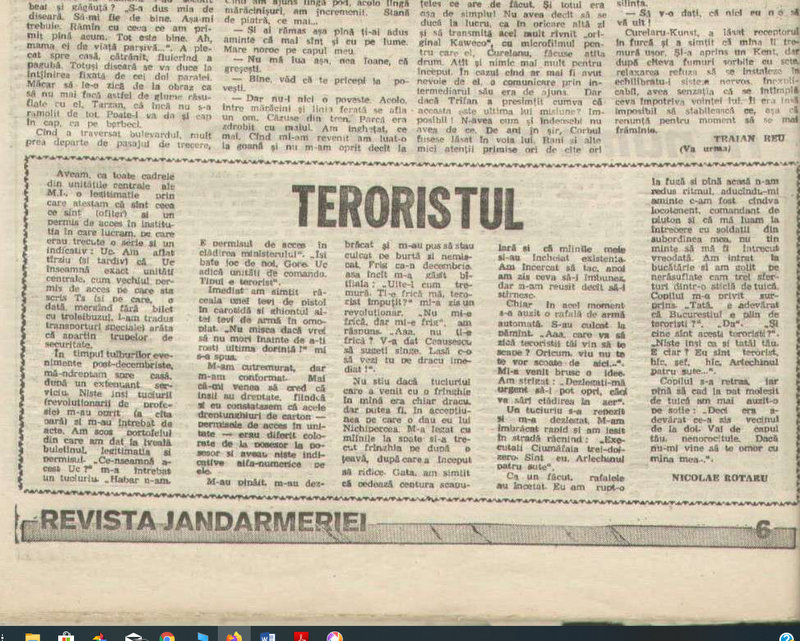
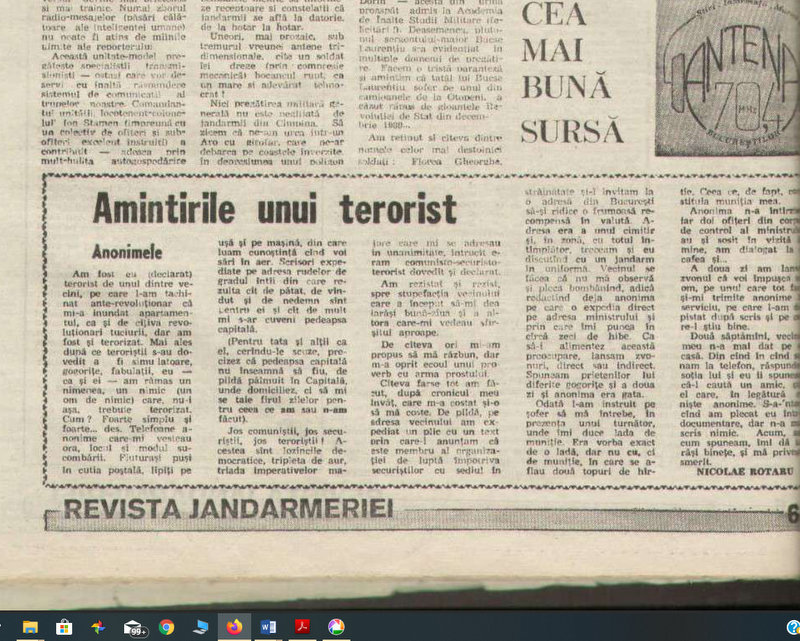


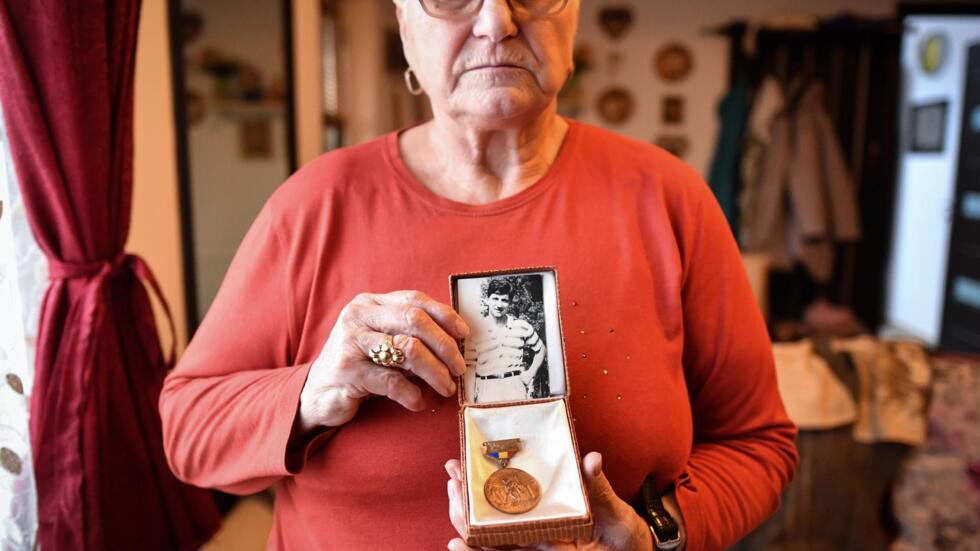

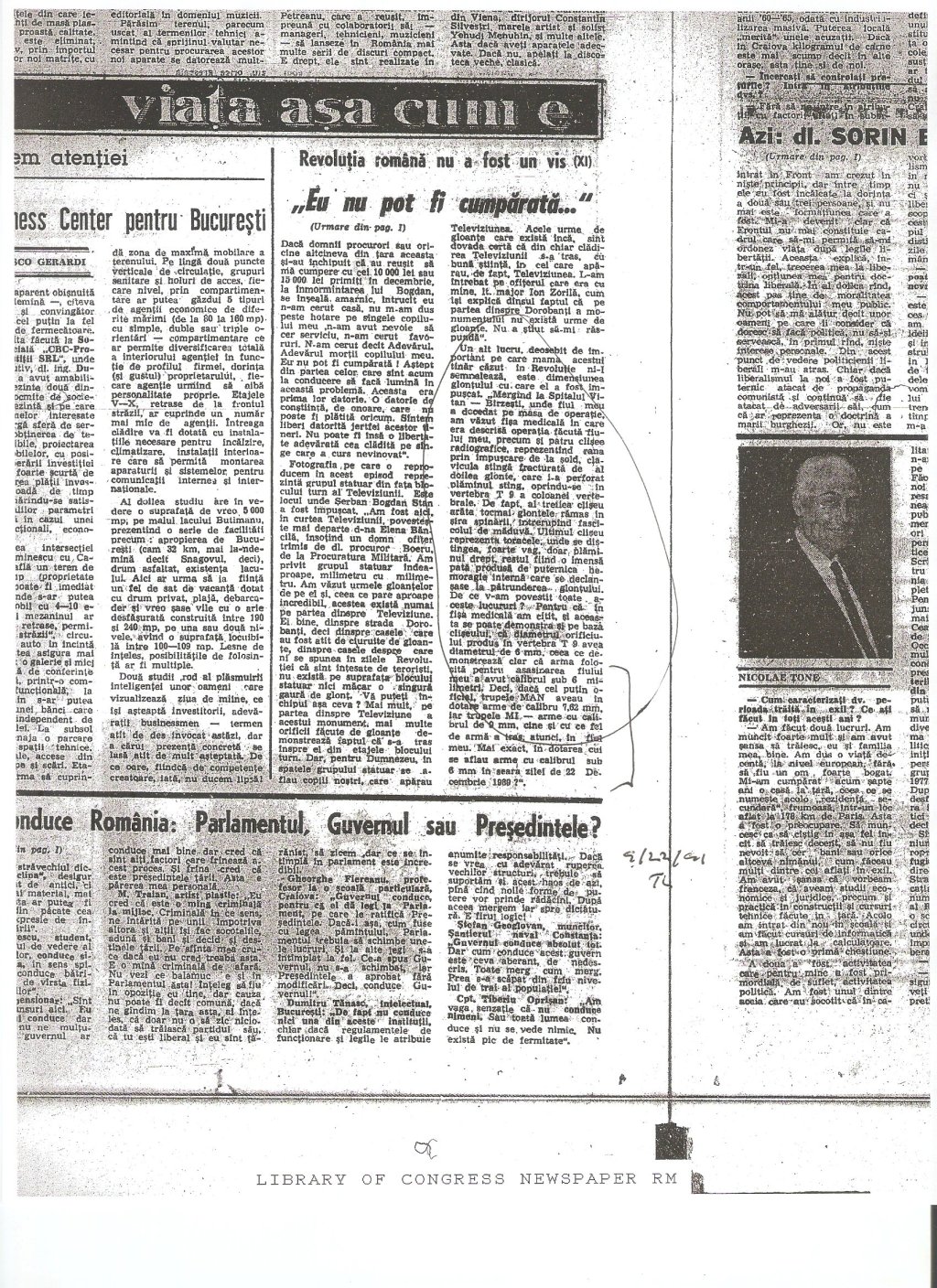


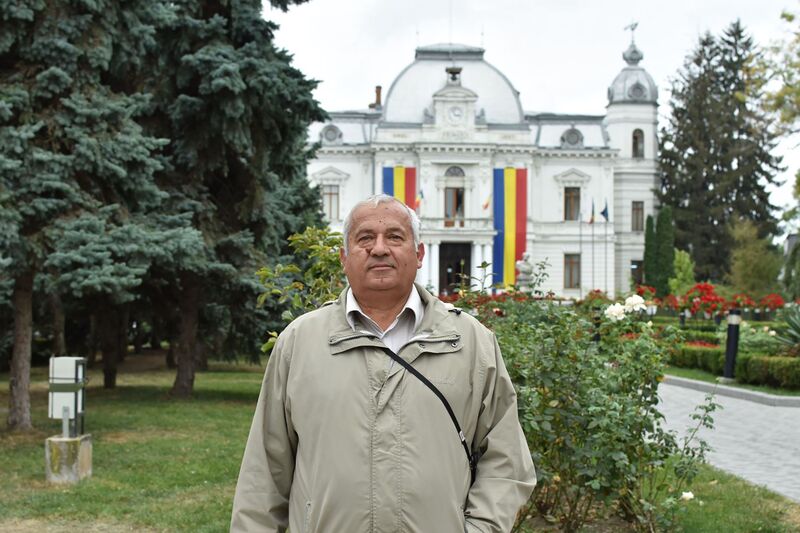

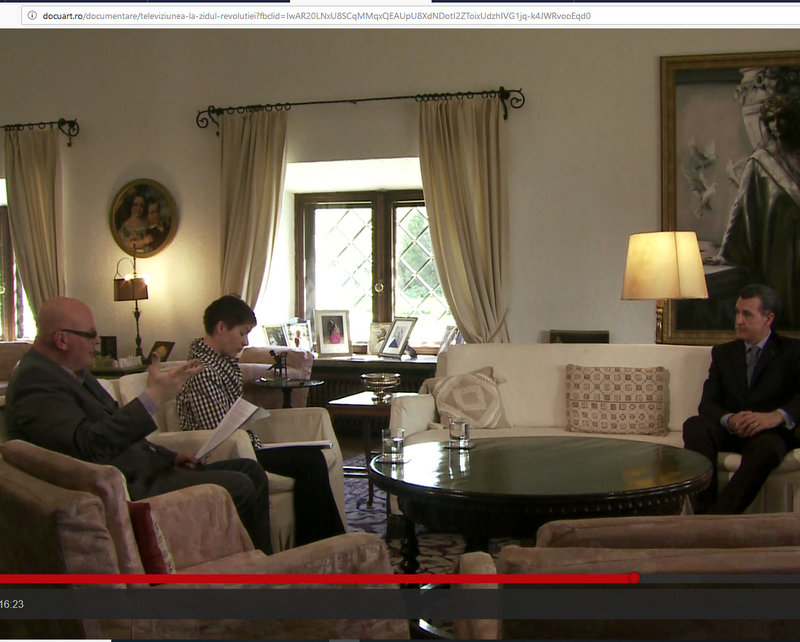
 Roland O. Thomasson, PHD